Dicle
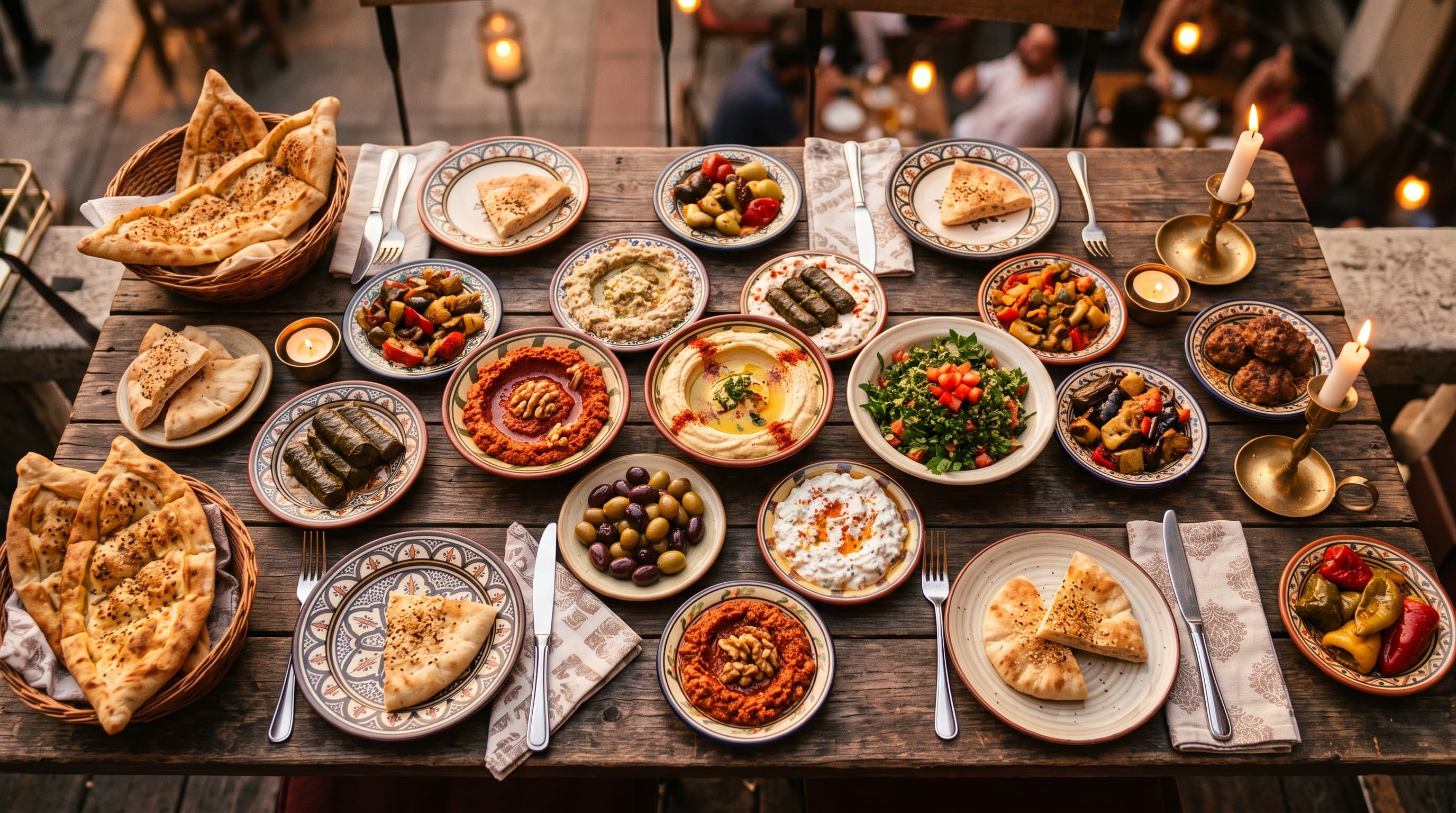
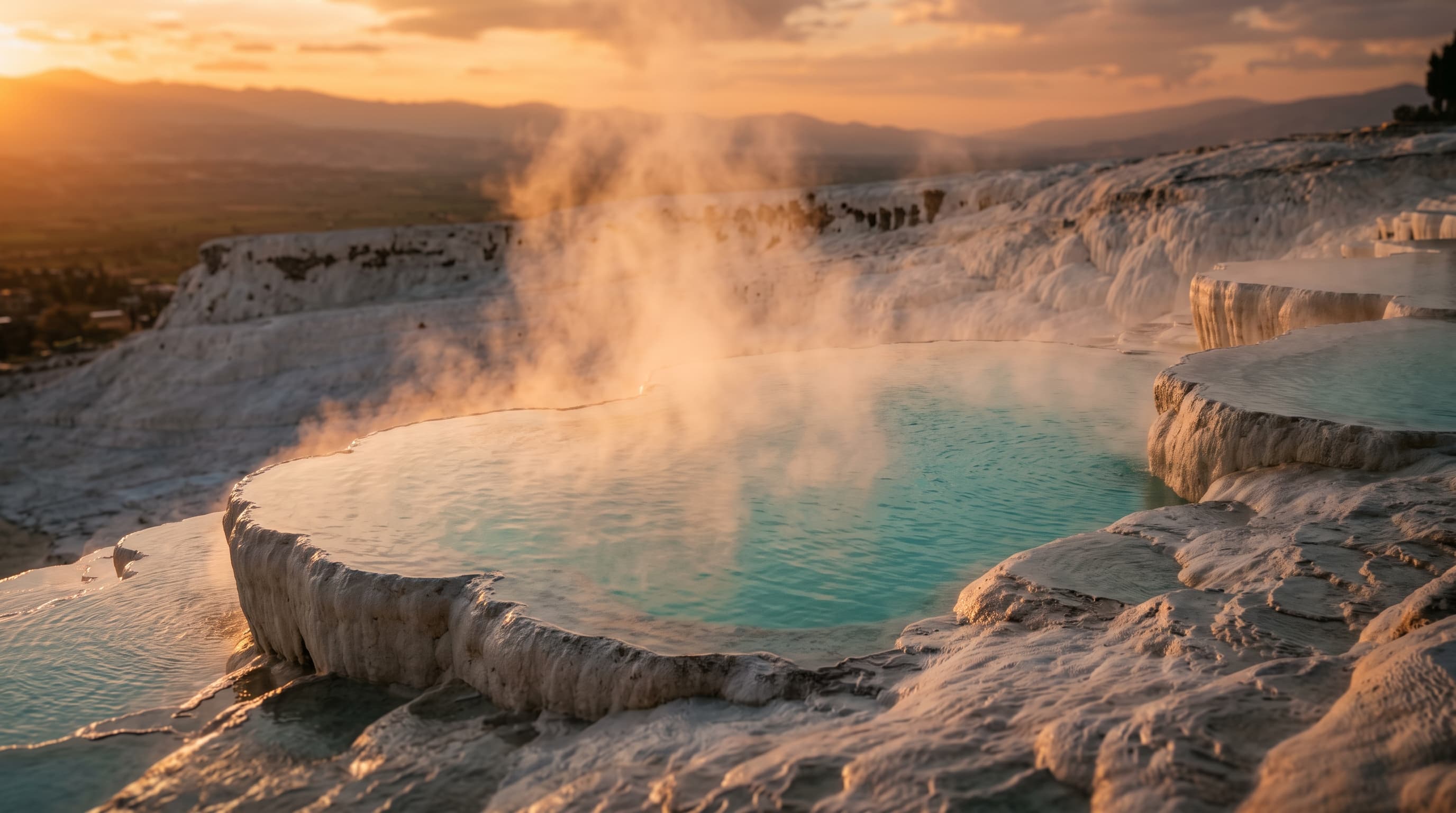
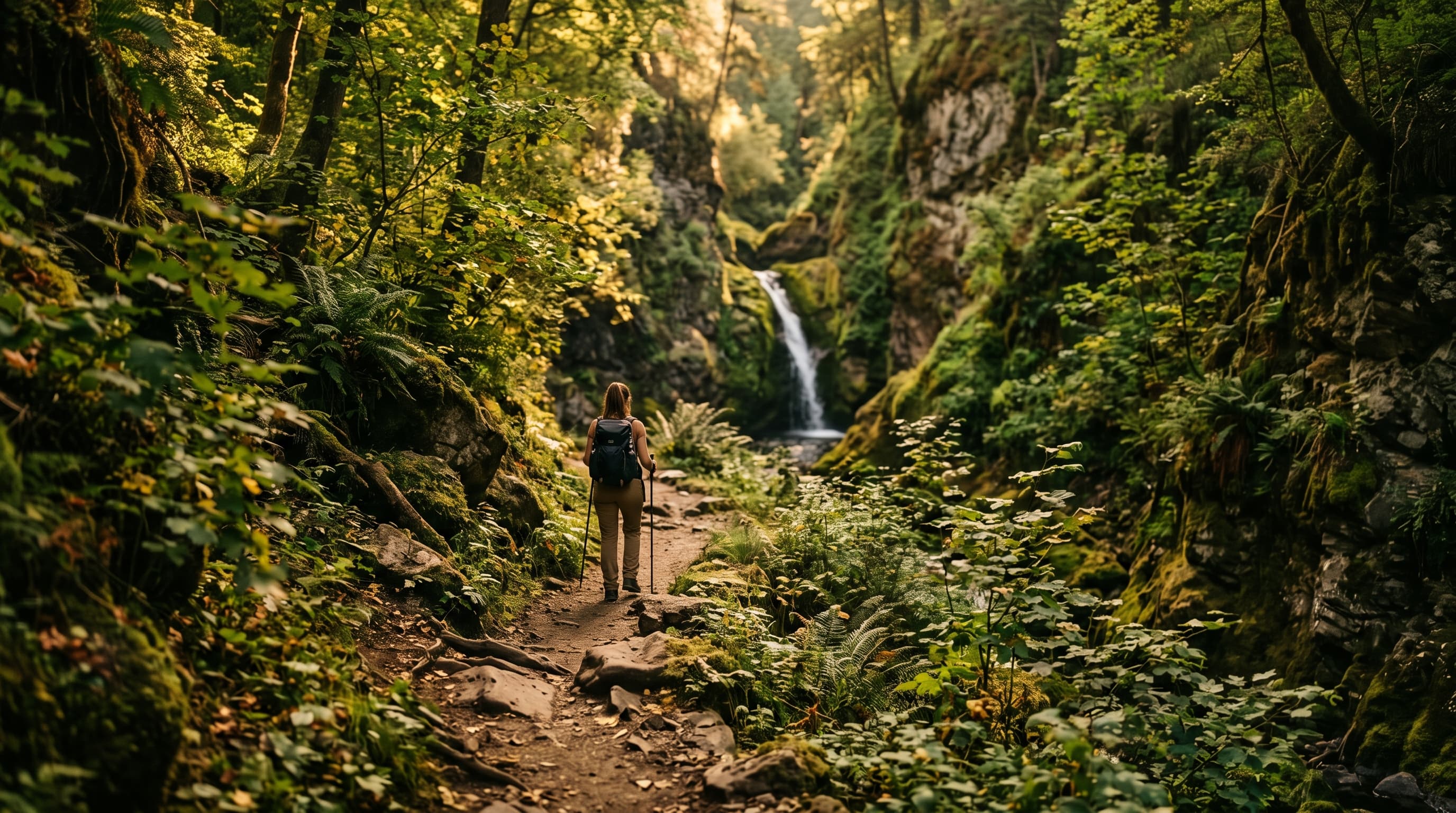
Mountain river valleys and Kralkızı Dam reservoir shores outline Dicle. Visitors can explore Kralkızı Dam lake views, hike through Tigris river valley trails, or tour local fruit orchards. Gastronomy features local meat dishes, river fish, yayla butter, and homestyle pastries.
Tourist experience
Mountain river valleys and Kralkızı Dam reservoir shores outline Dicle. Visitors can explore Kralkızı Dam lake views, hike through Tigris river valley trails, or tour local fruit orchards. Gastronomy features local meat dishes, river fish, yayla butter, and homestyle pastries.


Local Specialties
Key Landmarks
Where to Eat
Living Snapshot
Key points of interest
Investment outlook
Dicle holds a Transparent Investment Score of 86.5/100, recognized as a specialized reservoir eco-tourism, forestry, and agricultural market. Land and residential buy values average $780/m² with steady capital preservation (~42.0% YoY in USD).
Living here
Residing in Dicle offers a quiet, healthy, and serene mountain valley lifestyle with pure spring water and clean high-oxygen air. Residents benefit from organic local produce, safe community streets, affordable living costs, and close-knit solidarity.
History & cultural identity
Dicle, set on high-altitude green mountain valleys and dramatic river gorges along the Tigris River in northern Diyarbakır bordering Hani and Eğil, holds an ancient Hurrian, Urartian, Roman, Byzantine, and Tigris river basin history. Known historically as Arslanpaşa or Dicle, the town is world-famous for its dramatic mountain river scenery, historic bridges, and the massive Kralkızı Dam Lake.
Frequently asked questions
What are the primary natural highlights in Dicle?+
Key highlights include Kralkızı Dam Lake reservoir, dramatic Tigris river gorges, and mountain pine forests.
How far is Dicle from Central Diyarbakır?+
Dicle is located 90 kilometers (a 1-hour 15-minute drive) north of central Diyarbakır along a mountain highway.
What is Dicle famous for in local economy?+
Dicle is famous for reservoir lake fishing, Tigris valley agriculture, forestry, and mountain eco-tourism.
Nearby Districts
Other districts in Diyarbakır
Represent Dicle? This Page Awaits Its Official Partner
District governorships, municipalities, and leading local businesses: be the first official partner featured on Dicle’s page — reaching travelers, investors, and future residents exploring this district every day.
Become a Founding Partner →