Diyarbakır
Enclosed within kilometers of dark volcanic basalt ramparts, Diyarbakir rises dramatically above the broad curves of the Tigris River.
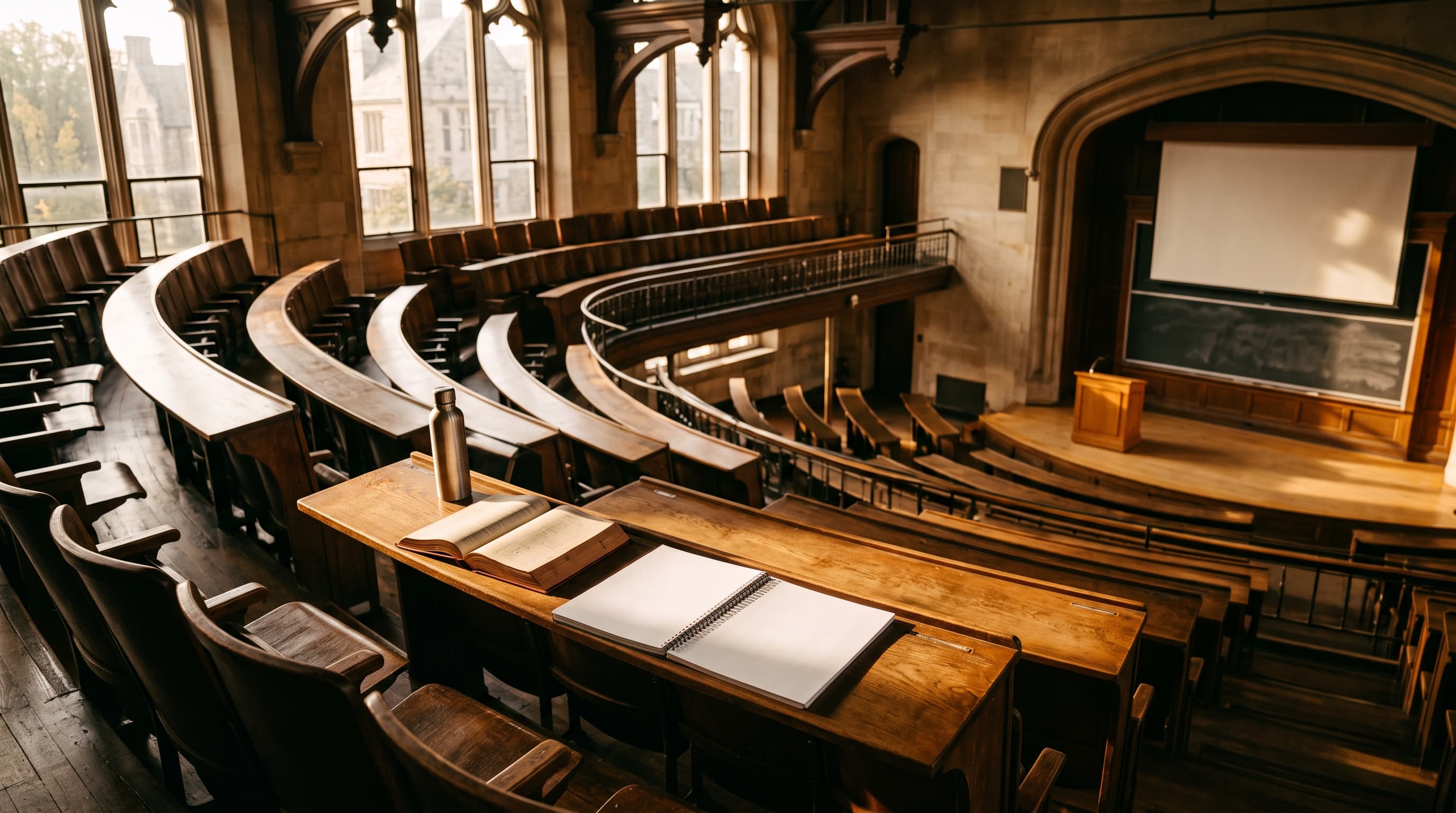
- study educationWalk the ancient black basalt ramparts encircling the historic Sur district
Cross the ten-arched Dicle Bridge over the Tigris River before drinking hot dibek coffee in a restored 16th-century caravan inn.
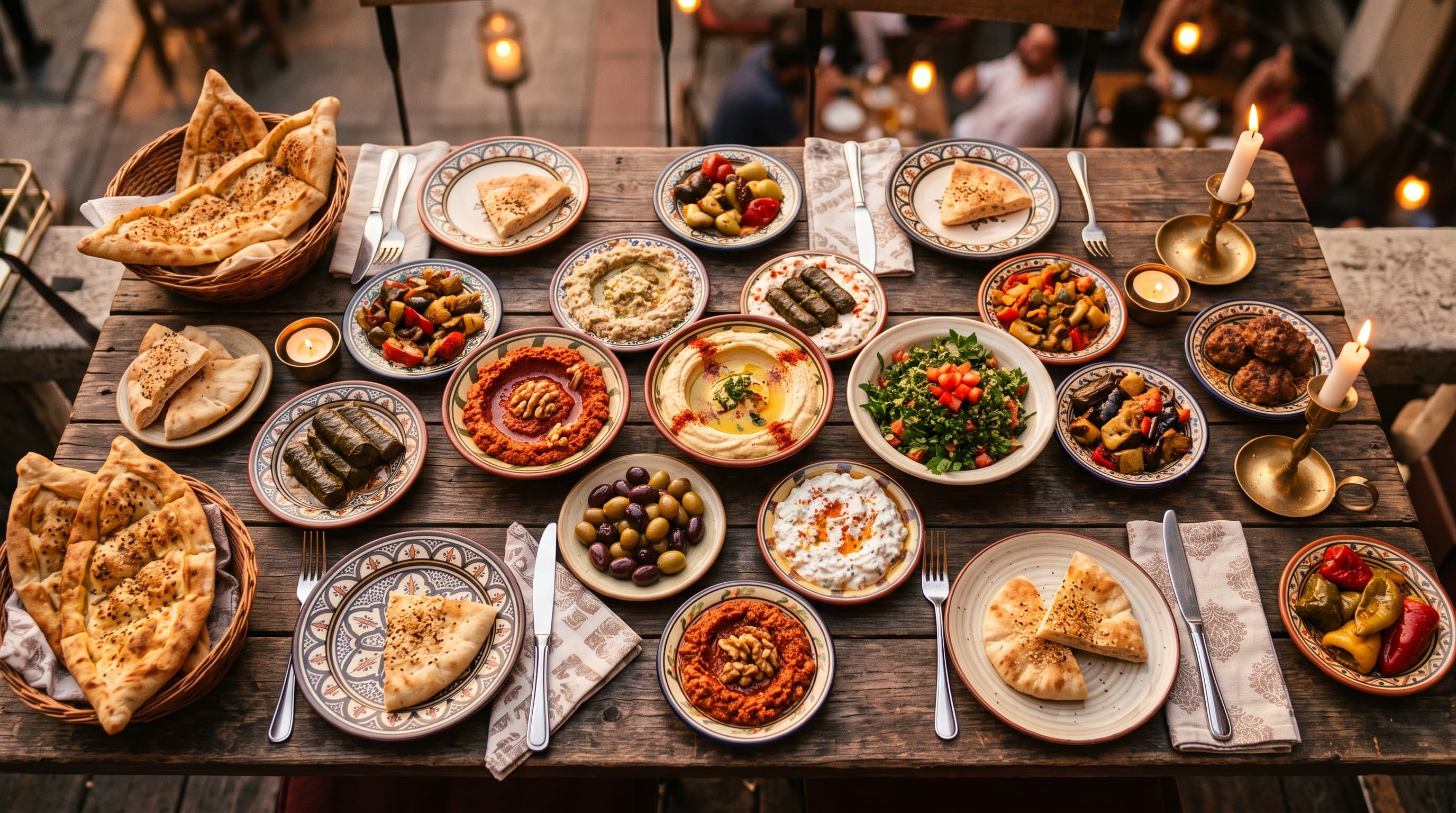
- gastronomySavor succulent charcoal-grilled Lamb Liver Skewers (Ciğer Kebabı) at dawn
Feast on tender liver pieces wrapped in thin flatbread with sumac onions and grilled peppers in historic bazaars. Also worth trying: Diyarbakır Ciğer Kebabı, Meftune, Kaburga Dolması, and Diyarbakır Karpuzu (Watermelon).
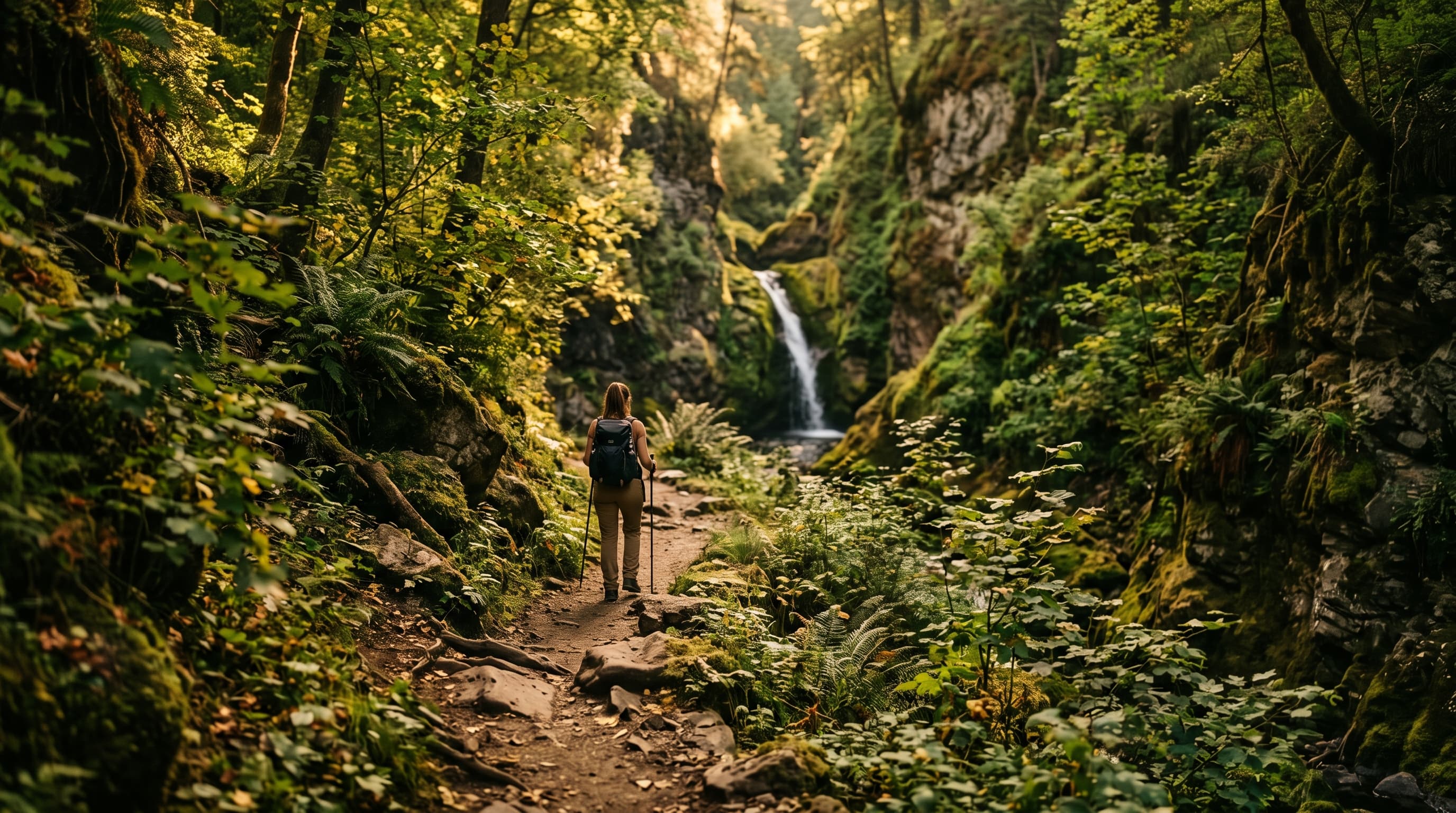
- adventure natureExplore the UNESCO-listed Hevsel Gardens along the Tigris River
Walk thousands of years of fertile riverfront agricultural terraces linking basalt city walls to nature.
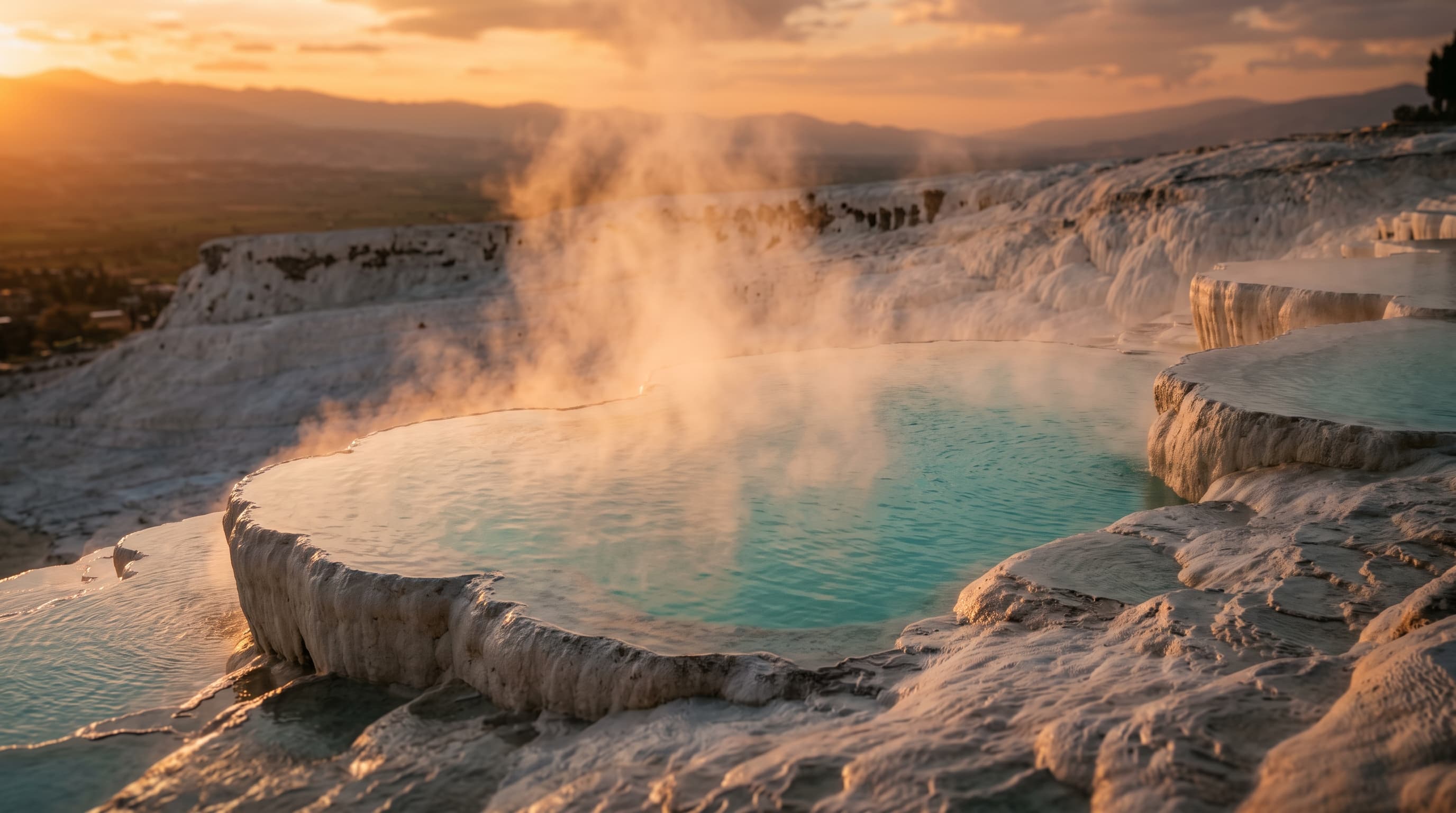
- wellness thermalSoak in therapeutic geothermal hot springs at Çermik thermal baths
Relax in mineral waters celebrated for joint relief and skin therapy in an ancient mountain town.
- classic beach citySip hot cardamom-infused coffee inside the courtyards of Hasan Paşa Hanı
Enjoy traditional breakfast spreads inside a magnificent 16th-century Ottoman caravanserai.
- health medicalAccess top specialized medical and surgical care at Dicle University Hospital
Receive comprehensive healthcare from leading faculty specialists in Southeastern Türkiye's major medical hub.
Districts
Tourist experience
Enclosed within kilometers of dark volcanic basalt ramparts, Diyarbakir rises dramatically above the broad curves of the Tigris River. Its crowning international symbols include the Diyarbakır Surları ve Hevsel Bahçeleri (Diyarbakır Fortress and Hevsel Gardens Cultural Landscape), Ulu Cami (one of the oldest and most revered mosques in Islam, often styled as the fifth holiest site), and the iconic On Gözlü Köprü (Ten-Arched Bridge) spanning the Tigris River. History and architecture enthusiasts can explore the architectural masterpieces of the Artuqid period, such as Deliller Hanı and Hasan Paşa Hanı, or visit the house museum of poet Cahit Sıtkı Tarancı. Gastronomy is globally celebrated for Diyarbakır Ciğer Kebabı (famous spiced liver breakfast/meal), Meftune, Kaburga Dolması, and giant juicy Diyarbakır Karpuzu (world-famous watermelons).
Experiences

Local Specialties
Key Landmarks
Where to Eat
Living Snapshot
Key points of interest
Investment outlook
Diyarbakır commands an outstanding Transparent Investment Score of 93.5/100, recognized as Southeastern Anatolia's primary industrial manufacturing, agricultural mega-basin (cotton, wheat, and fruit export), higher education, and commercial trade hub. Anchored by Dicle University—hosting over 30,000 students—and massive Organized Industrial Zones (Diyarbakır OSB), the province yields robust commercial growth. Residential buy prices average $1,150/m² (exceeding $2,700/m² in luxury high-rise compounds in Kayapınar and Bağlar) with rapid annual capital appreciation (~46.5% YoY in USD).
Living here
Residing in Diyarbakır represents a safe, culturally rich, highly walkable, and historic metropolitan lifestyle where ancient basalt architecture meets modern master-planned urban expansion. Neighborhoods feature brand-new residential apartment compounds rising alongside historic walled city quarters, wide green parks, and modern shopping centers. Residents benefit from comprehensive healthcare at Dicle University Hospitals, clean air, rich historical surroundings, and exceptionally safe community streets.
History & cultural identity
Constructed from dense black volcanic rock, Diyarbakır's ancient city ramparts represent one of the world's longest and best-preserved Roman-era defense walls. Known historically as Amida and later as Diyâr-ı Bekr under Islamic administration, the city flourished as an impregnable fortress capital and a vital cultural crossroad on the historic Silk Road. Its world-famous Dicle Kalkanı (Diyarbakır City Walls)—stretching for nearly 6 kilometers with dozens of towering watchtowers—stand alongside the lush Hevsel Gardens as an inscribed UNESCO World Heritage Site, bearing testimony to millennia of continuous urban habitation, master stonemasonry, and agricultural mastery.
Frequently asked questions
Why are the Diyarbakır Fortress Walls and Hevsel Gardens inscribed on the UNESCO list?+
They are inscribed for their monumental black basalt architecture, millennia of military engineering, and the uninterrupted agricultural symbiosis of the Hevsel Gardens.
What is the historical significance of Diyarbakır Ulu Cami?+
Diyarbakır Ulu Cami is one of the oldest and most sacred mosques in Islam, featuring reused Roman architectural elements and unique medieval Islamic stonework.
What is Diyarbakır famous for in culinary traditions?+
Diyarbakır is globally famous for its morning liver kebab (Ciğer Kebabı), rich Meftune stew, and giant watermelons grown in the Tigris basin.
Represent Diyarbakır? This Page Awaits Its Official Partner
Governorships, metropolitan municipalities, and leading regional institutions: be the first official partner featured on Diyarbakır’s page — reaching travelers, investors, and future residents exploring this province every day.
Become a Founding Partner →