Göynücek
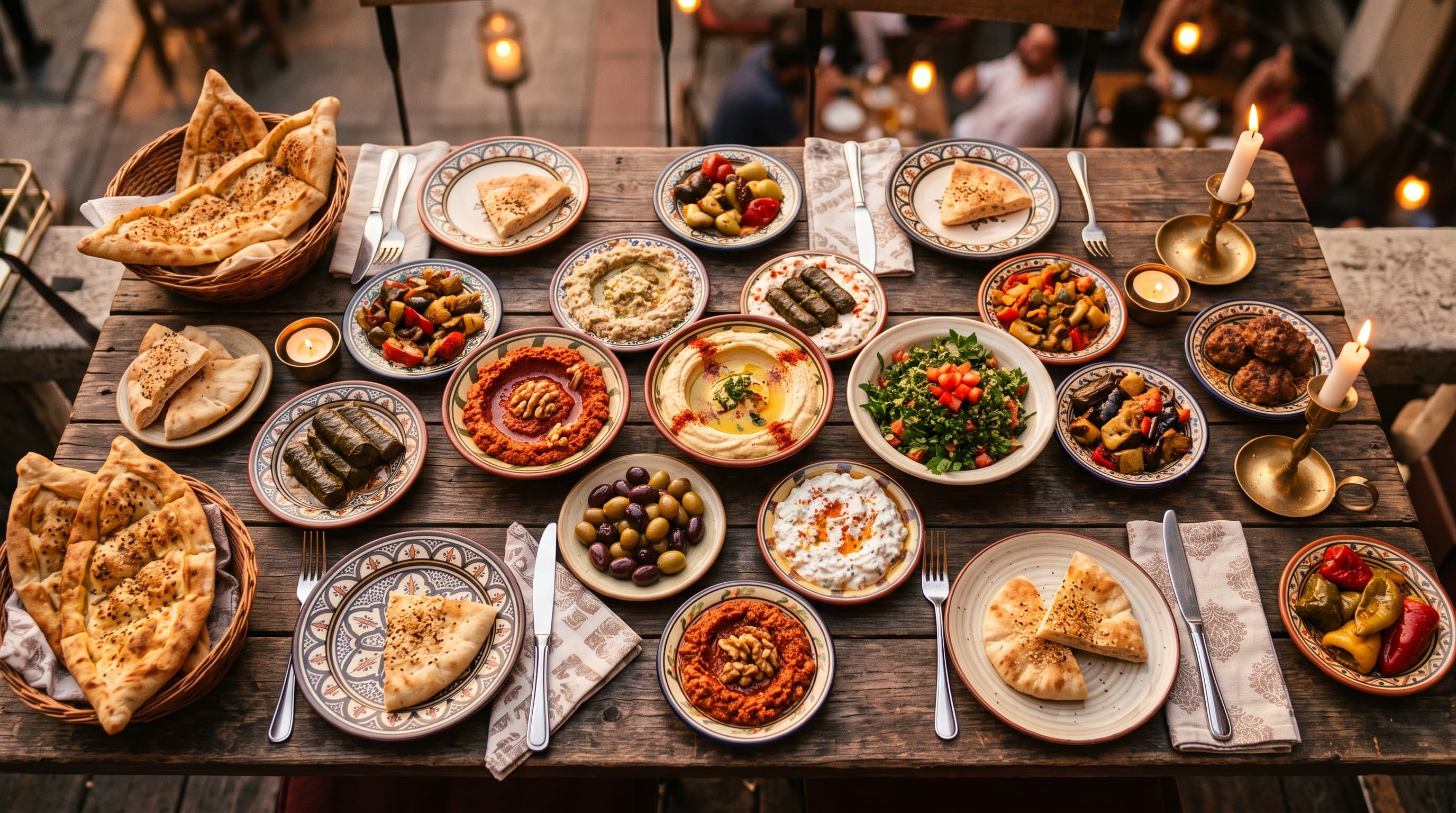
Göynücek offers an authentic Central Anatolian high plateau, agricultural plain, and traditional village experience. Visitors can explore rolling grain fields, historic village architecture, or local rural markets. Gastronomy features traditional meat dishes, local cheese, and homestyle bread.
Tourist experience
Göynücek offers an authentic Central Anatolian high plateau, agricultural plain, and traditional village experience. Visitors can explore rolling grain fields, historic village architecture, or local rural markets. Gastronomy features traditional meat dishes, local cheese, and homestyle bread.


Local Specialties
Key Landmarks
Where to Eat
Living Snapshot
Key points of interest

Investment outlook
Göynücek holds a Transparent Investment Score of 83.5/100, recognized as a specialized grain agriculture, livestock, and rural land-reserve market. Land and residential buy values average $720/m² with steady capital preservation (~41.5% YoY in USD).
Living here
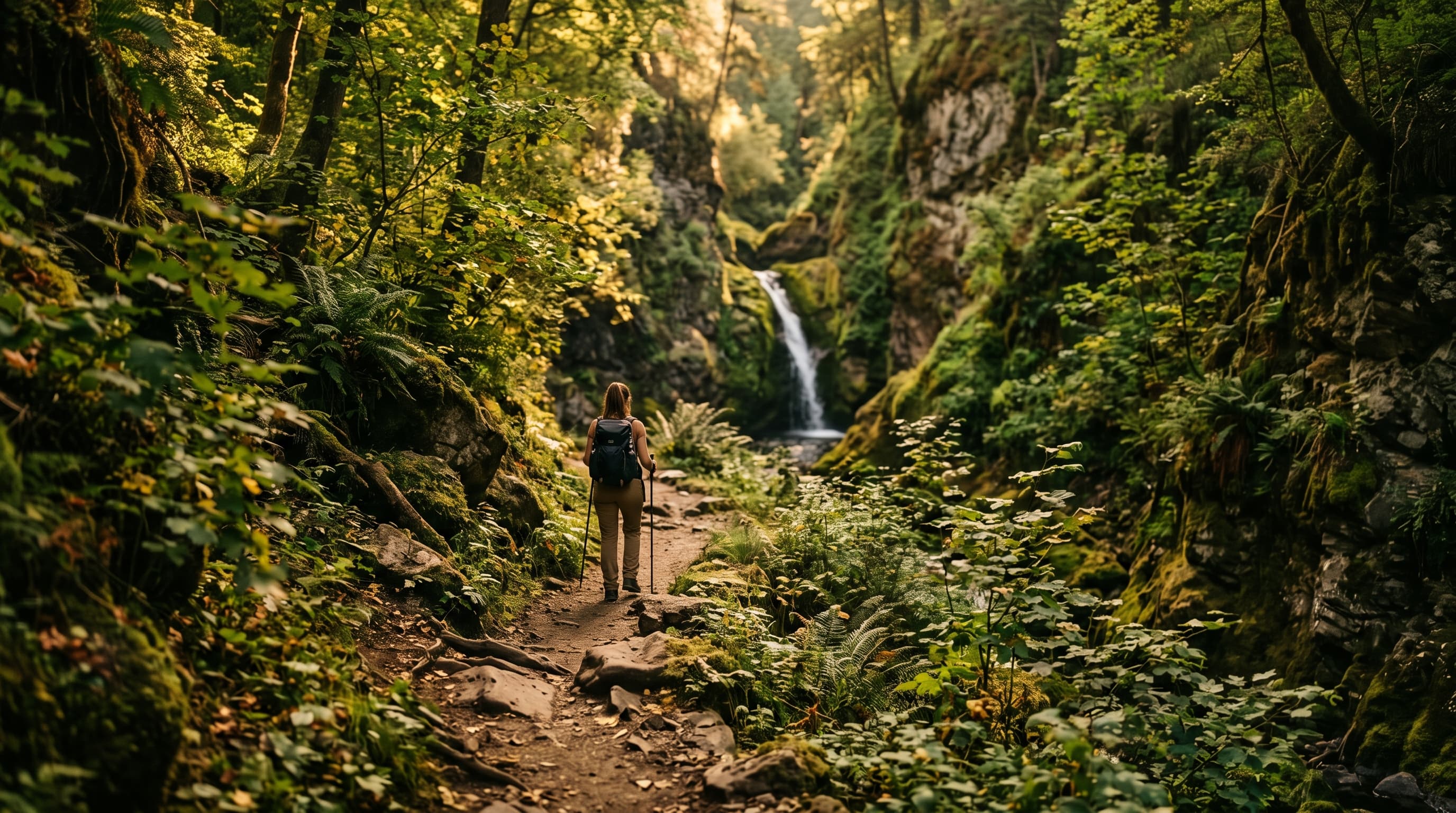
Residing in Göynücek offers a quiet, rustic, and peaceful valley lifestyle with crisp air and open horizons. Residents benefit from organic local produce, safe community streets, affordable living costs, and close-knit neighborly solidarity.
History & cultural identity
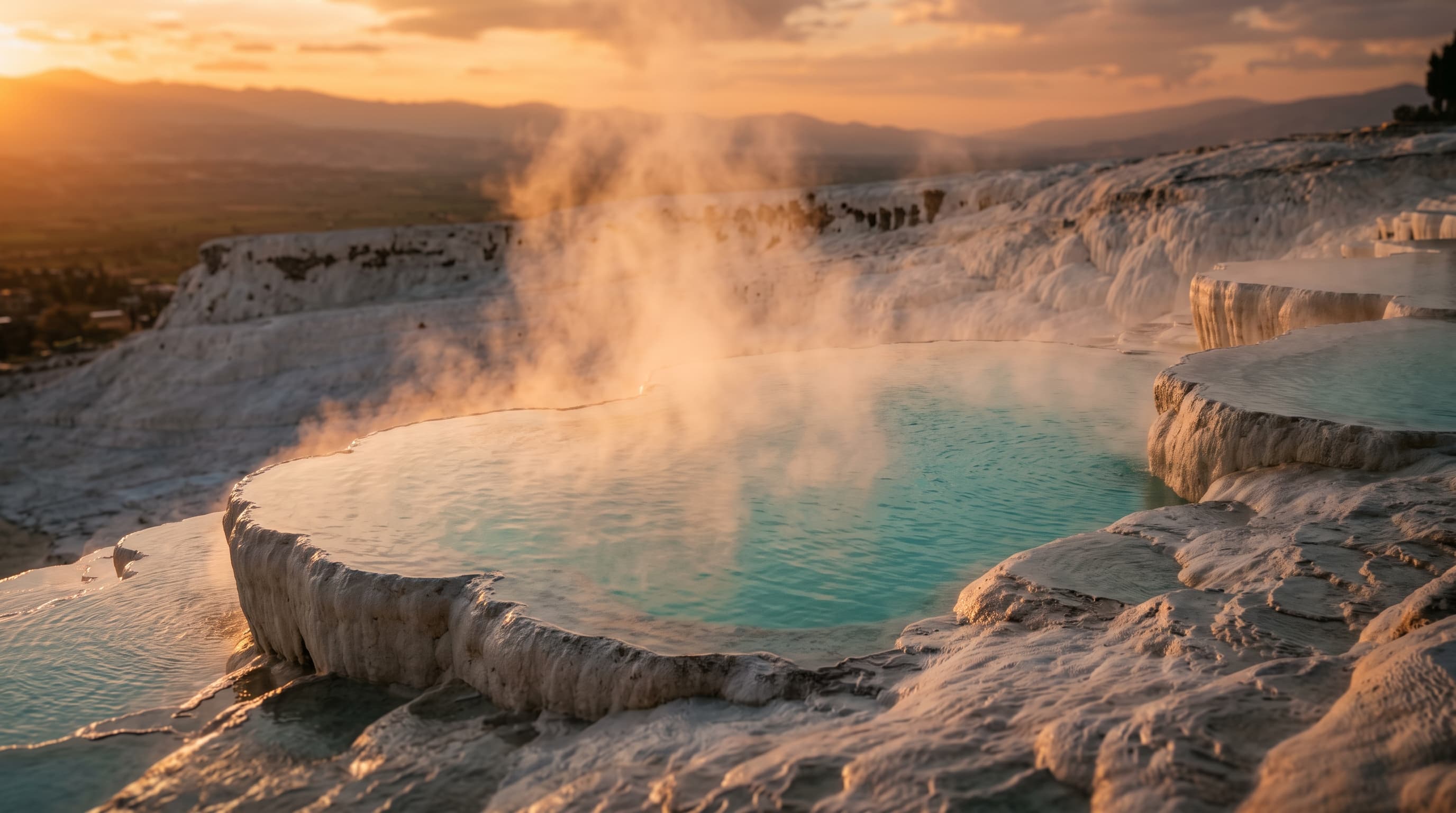
Göynücek, set on green agricultural valleys and rolling hills in southern Amasya bordering Tokat, holds an ancient Roman, Seljuk, and agricultural history. Known historically as a quiet agricultural and livestock sanctuary under Byzantine and Ottoman rule, the district was incorporated as an independent municipal district in 1957. Göynücek is renowned for its high-yield grain plains, pristine mountain springs, and traditional village architecture.
Frequently asked questions
What are the primary natural features of Göynücek?+
Key features include green agricultural valleys, wheat fields, and open plateau vistas.
How far is Göynücek from Central Amasya?+
Göynücek is located 45 kilometers (a 40-minute drive) south of central Amasya along a smooth highway.
What is Göynücek famous for in local economy?+
Göynücek is famous for high-yield wheat and grain cultivation, livestock breeding, and rural agriculture.
Nearby Districts
Other districts in Amasya
Represent Göynücek? This Page Awaits Its Official Partner
District governorships, municipalities, and leading local businesses: be the first official partner featured on Göynücek’s page — reaching travelers, investors, and future residents exploring this district every day.
Become a Founding Partner →