Amasya
Illuminated Pontic Royal Tombs cut high into sheer rock cliffs glowing over Ottoman riverfront mansions frame the evening view in Amasya.
 www.allturkiye.com
Photo via Wikimedia Commons
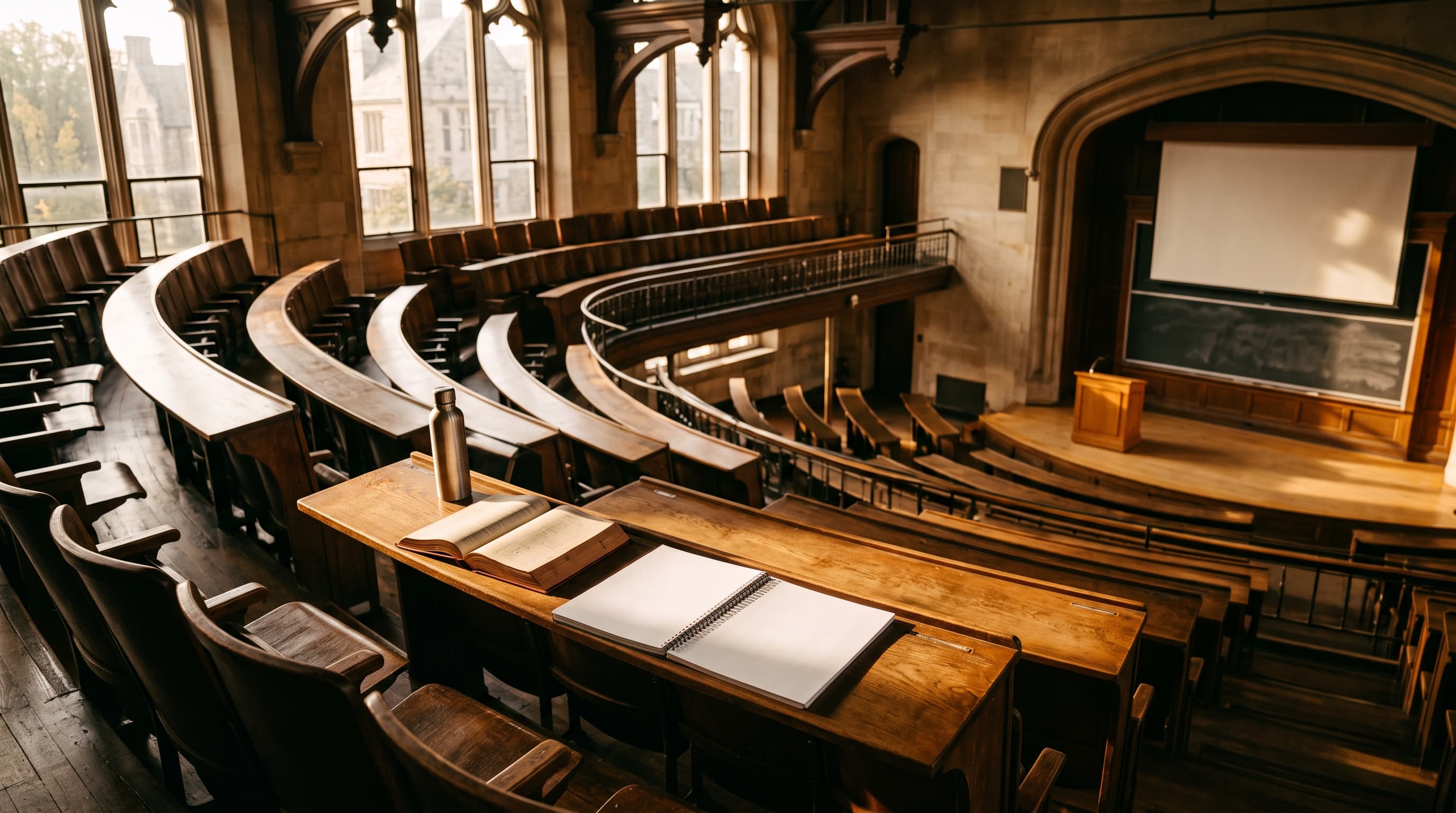
- study educationSee ancient Pontic Royal Tombs illuminated above half-timbered river houses
Stroll along the Yeşilırmak River at dusk as ancient rock-cut tombs of kings glow above traditional Ottoman mansions.
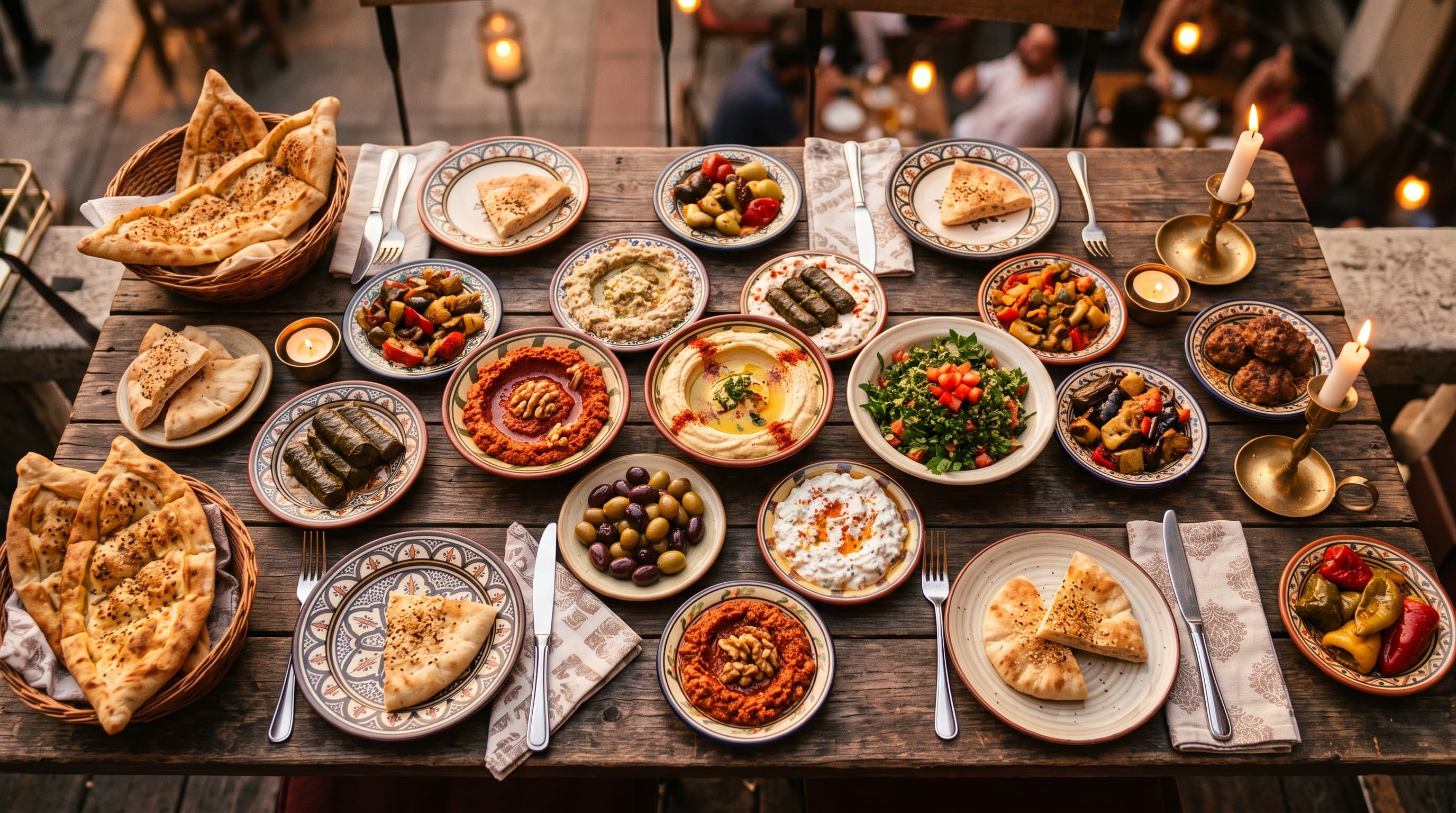
- gastronomyTaste crisp, juicy Amasya apples and savory Amasya çöreği pastry
Sample famous fragrant red apples paired with walnut-stuffed poppy seed rolls baked fresh in local ovens. Also worth trying: Amasya Misket Elması (Apple), Amasya Çöreği, Toyga Soup, Baklalı Dolma, and Keşkek.
- adventure natureHike through lush apple orchards and pine trails surrounding Borabay Lake
Discover a emerald green crater lake reflecting dense alpine woods hidden inside mountain ravines.
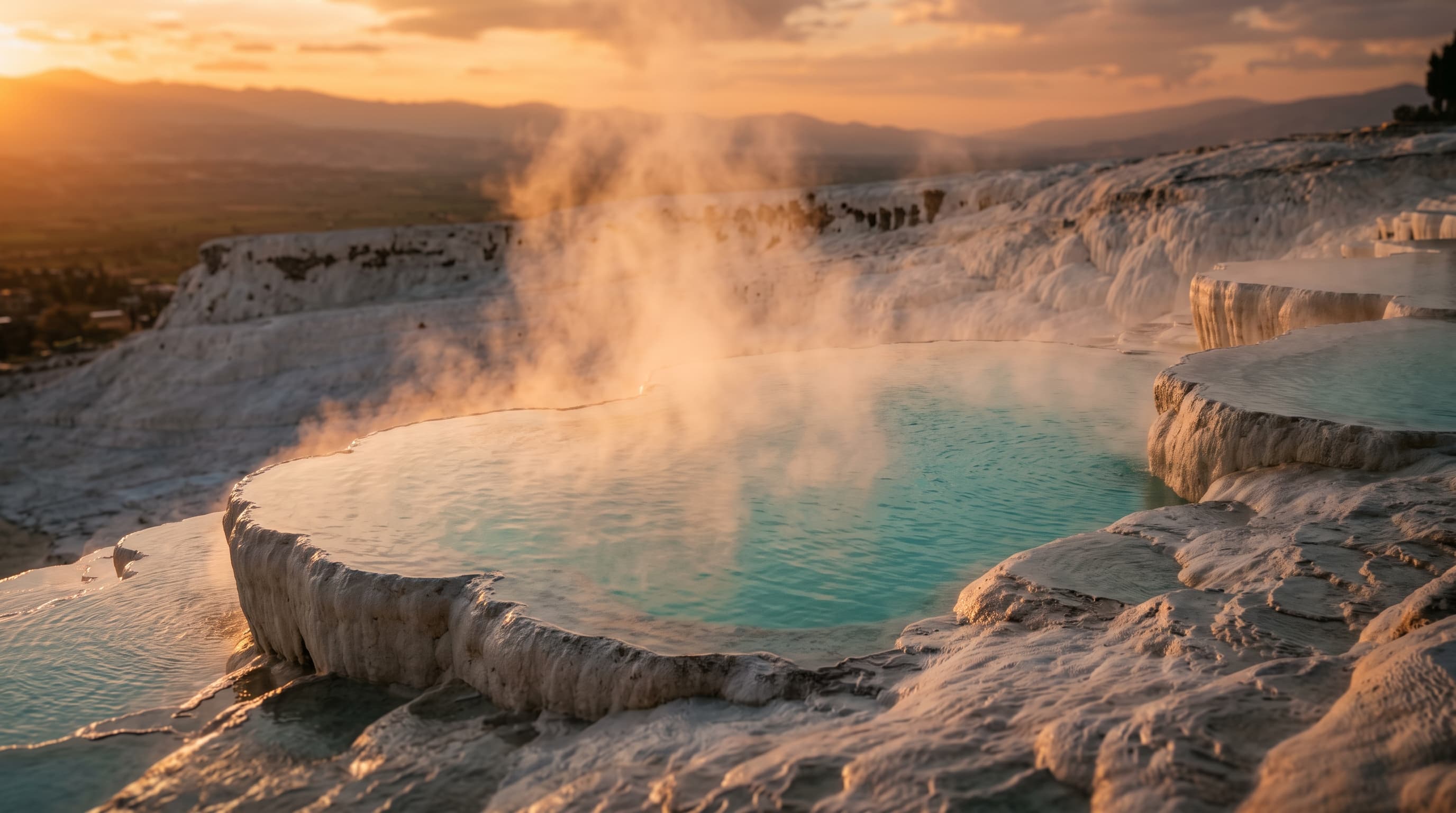
- wellness thermalSoak in hot geothermal mineral springs at Terziköy and Gözlek thermal resort
Relax in mineral waters utilized for health and wellness since the Ottoman princes (Şehzade) trained here.
- classic beach cityExplore Ottoman wooden mansion architecture along the Yalıboyu waterfront
Walk historic wooden pontoon bridges over the river, visiting prince education madrasas and astronomical clocks.
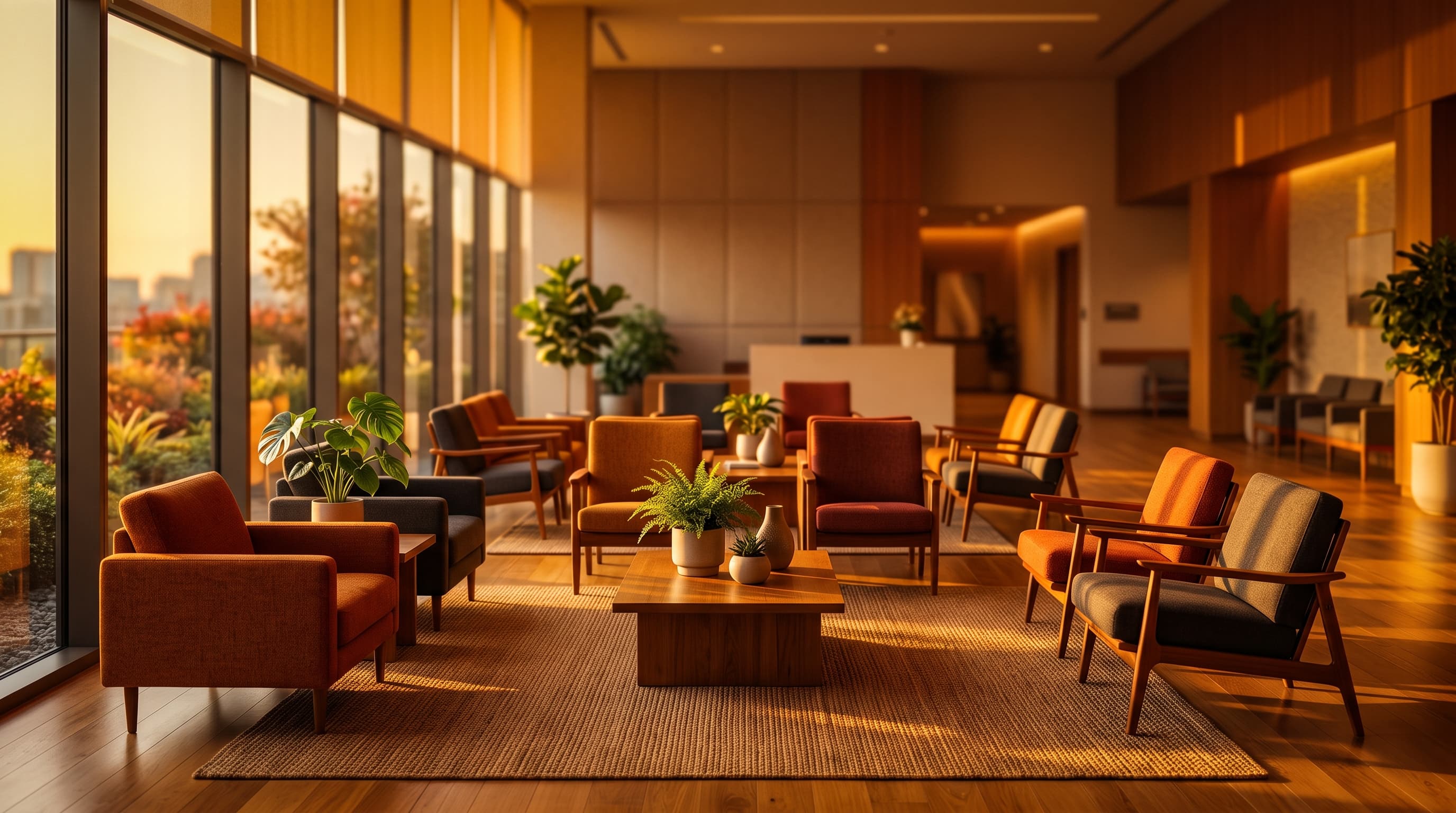
- health medicalConsult specialized physical medicine and rehabilitation experts in Amasya city center
Combine health recovery with peaceful, low-stress historical river valley living.
Districts
Tourist experience
Illuminated Pontic Royal Tombs cut high into sheer rock cliffs glowing over Ottoman riverfront mansions frame the evening view in Amasya. Its crowning global symbol is the Royal Rock Tombs of the Pontic Kings (Kral Kaya Mezarları)—monumental sepulchers carved directly into the vertical limestone face of Mount Harşena, glowing magically at night. Visitors can stroll along the historic Yalıboyu Ottoman Houses lining the river, explore the underground water tunnels of the Ferhat and Şirin Aqueducts, tour the Sultan II. Bayezid Complex, or visit the Archaeological Museum housing 4,000-year-old Hittite artifacts and Ilkhanid mummies. Gastronomy is globally celebrated for Amasya Misket Elması (crisp, aromatic apples), Amasya Çöreği, Toyga Soup, Baklalı Dolma, and Kebab specialties.
Experiences
Local Specialties
Key Landmarks
Where to Eat
Living Snapshot
Key points of interest
Investment outlook
Amasya commands an outstanding Transparent Investment Score of 92.8/100, recognized as a premier Ottoman heritage cultural tourism, agricultural mega-basin (apple, cherry, and grain export), and thermal health wellness market. Anchored by Amasya University—hosting over 15,000 students—and expanding Organized Industrial Zones (Amasya OSB), the province yields strong commercial growth. Residential buy prices average $1,200/m² (exceeding $2,600/m² in modern master-planned high-rise compounds in Central Amasya and Merzifon) with rapid annual capital appreciation (~47.0% YoY in USD).
Living here
Residing in Amasya represents a safe, culturally rich, highly walkable, and picturesque valley lifestyle where history meets modern amenities. Neighborhoods feature traditional timber-and-stone Ottoman houses alongside modern residential compounds, wide green riverside promenades, and lively bazaars. Residents benefit from comprehensive healthcare at Amasya University Sabuncuoğlu Şerefeddin Training and Research Hospital, clean mountain air, rich cultural arts, and safe community streets.
History & cultural identity
Amasya, dramatically carved into sheer limestone cliffs along the emerald meanders of the Yeşilırmak River valley in the heart of the Central Black Sea region, holds a monumental ancient Pontic Kingdom, Roman, Seljuk, Ilkhanid, and Ottoman imperial civilizational legacy spanning over 3,500 years. Known anciently as Amaseia, the city flourished as the glorious royal capital of the Kingdom of Pontus in the 3rd and 2nd centuries BC, and is globally celebrated as the birthplace of the legendary ancient geographer and historian Strabo. Following successive rule by Rome, Byzantium, the Danişmendids, and Seljuks, Amasya attained its greatest Ottoman renown as the revered 'City of Princes' (Şehzadeler Şehri), where future Ottoman sultans—including Fatih Sultan Mehmed and Yavuz Sultan Selim—were sent to govern as young princes and master statecraft. Today, Amasya stands as one of Turkey's most exquisitely preserved open-air museum cities, famed for its cliffside Pontic Royal Rock Tombs, Yalıboyu Ottoman houses, and the world-famous aromatic Amasya Apple (Misket Elması).
Frequently asked questions
Why is Amasya called the 'City of Princes' (Şehzadeler Şehri)?+
Amasya earned the title 'City of Princes' because future Ottoman sultans, including Fatih Sultan Mehmed and Yavuz Sultan Selim, were trained here as young princes in statecraft.
What is the history of the Kral Kaya Mezarları (Royal Rock Tombs)?+
The Royal Rock Tombs are monumental burial chambers carved into the sheer limestone cliffs of Mount Harşena by the kings of the Pontic Kingdom in the 3rd century BC.
What is special about the Amasya Apple (Misket Elması)?+
The Amasya Apple is a legendary indigenous fruit variety celebrated for its balanced sweet-tart flavor, crisp texture, and unique red-and-yellow coloration.
Represent Amasya? This Page Awaits Its Official Partner
Governorships, metropolitan municipalities, and leading regional institutions: be the first official partner featured on Amasya’s page — reaching travelers, investors, and future residents exploring this province every day.
Become a Founding Partner →