Taraklı
Preserved 19th-century Ottoman timber mansions and cobblestone lanes mark Taraklı.
Tourist experience
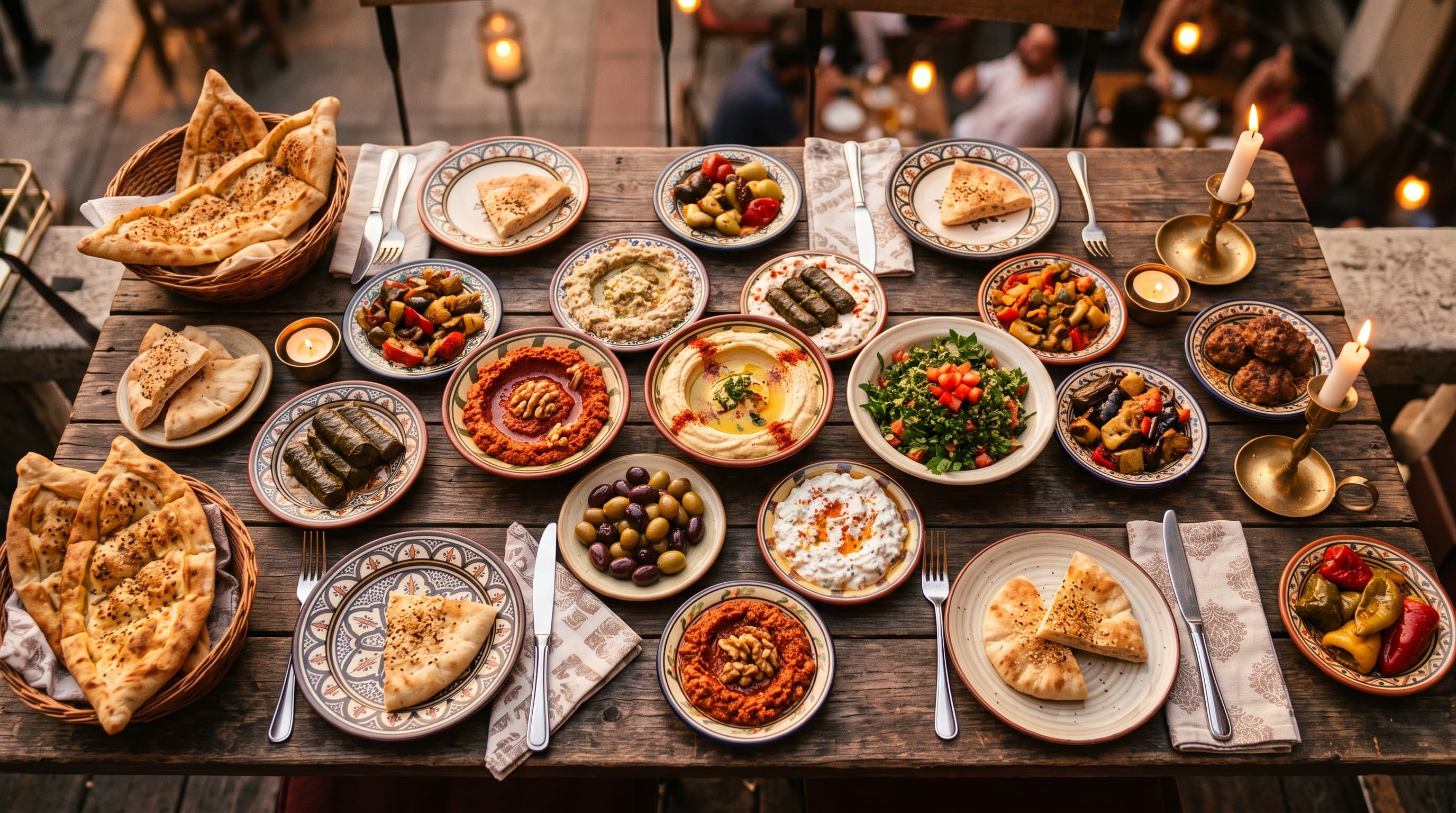
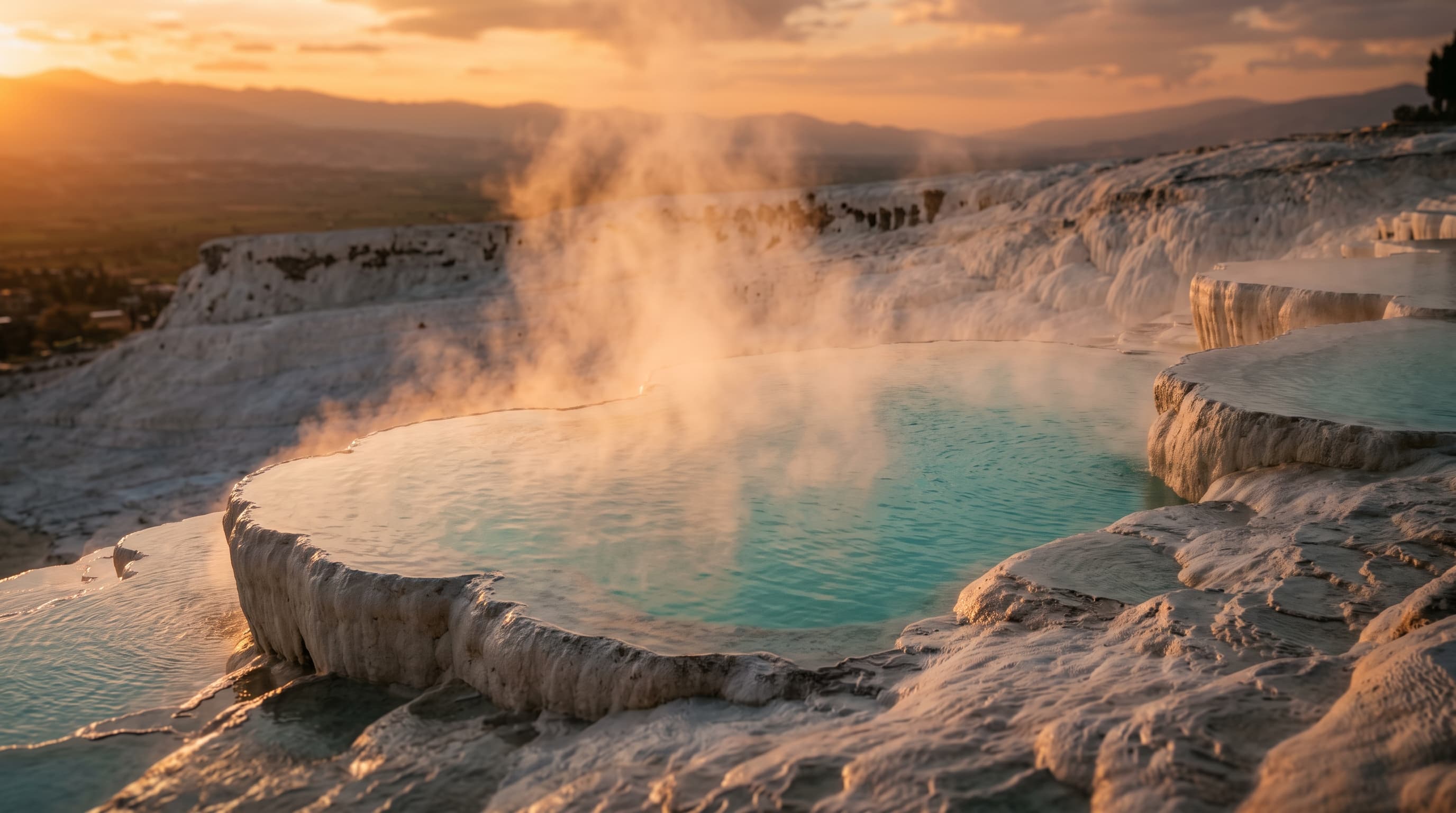
Preserved 19th-century Ottoman timber mansions and cobblestone lanes mark Taraklı. Its crowning international symbols include the UNESCO-candidate Historic Old Town—featuring over 100 preserved multi-story timber Ottoman mansions with overhanging wooden bays, brown tiled roofs, and white lime walls—alongside the 16th-century Yunus Paşa Mosque (Kurşunlu Cami) designed by Mimar Sinan. Visitors can bathe in Taraklı Thermal Springs (Taraklı Kaplıcaları) or explore artisan wooden comb workshops. Gastronomy features Taraklı Keşkeği, Uğut tatlısı, local meat dishes, and pastries.
Local Specialties
Key Landmarks
Where to Eat
Living Snapshot
Key points of interest
Investment outlook
Taraklı holds an outstanding Transparent Investment Score of 93.0/100, recognized as a world-class Cittaslow cultural tourism, boutique heritage hotel restoration, and thermal spa real estate market. Driven by international tourist traffic, heritage mansion and thermal spa properties average $1,400/m² (exceeding $3,200/m² for restored commercial konaks) with rapid annual capital appreciation (~47.5% YoY in USD).
Living here
Residing in Taraklı represents the absolute pinnacle of living inside a living world heritage monument combined with slow-city peace and thermal health. Neighborhoods feature restored Ottoman timber konaklar alongside modern thermal spa villas, wide green parks, and artisan bazaars. Residents benefit from comprehensive healthcare, clean mountain air, rich cultural arts, and exceptionally safe community streets.
History & cultural identity
Taraklı, set in high-altitude green mountain valleys and thermal spring river basins in southern Sakarya bordering Geyve and Bolu, holds an ancient Bithynian, Roman, Byzantine, Ottoman architectural, and world-class woodcarving history. Known historically as Taraklı Vâlih ya da Hacı Murad Vâlih under Ottoman rule, the town flourished for centuries as a master woodworking center famous for manufacturing wooden combs (tarak). Officially inducted into the international Cittaslow (Slow City) network, Taraklı is globally celebrated for its magnificent multi-story timber Ottoman konaklar, historic Yunus Paşa Mosque (built by Mimar Sinan in 1517), and thermal hot springs.
Frequently asked questions
Why is Taraklı designated as a Cittaslow (Slow City)?+
Taraklı earned international Cittaslow certification for preserving its traditional Ottoman wooden architecture, slow pace of life, and wooden comb handicrafts.
What is the historical significance of the Yunus Paşa Mosque?+
Built in 1517, the Yunus Paşa Mosque is a classic Ottoman lead-domed stone mosque designed by imperial architect Mimar Sinan, featuring unique cut-stone masonry.
How far is Taraklı from Central Adapazarı and Istanbul?+
Taraklı is located 65 kilometers (a 1-hour drive) south of central Adapazarı and 200 kilometers east of Istanbul.
Nearby Districts
Other districts in Sakarya
Represent Taraklı? This Page Awaits Its Official Partner
District governorships, municipalities, and leading local businesses: be the first official partner featured on Taraklı’s page — reaching travelers, investors, and future residents exploring this district every day.
Become a Founding Partner →