Tarsus
Roman stone archways, Cleopatra's Gate, and spicy Tarsus hummus shops mark Tarsus. Paul wells, and grand historic mosques. Its crowning international symbols include Kleopatra Kapısı (Cleopatra Gate), St. Paul Kuyusu (St.
Tourist experience
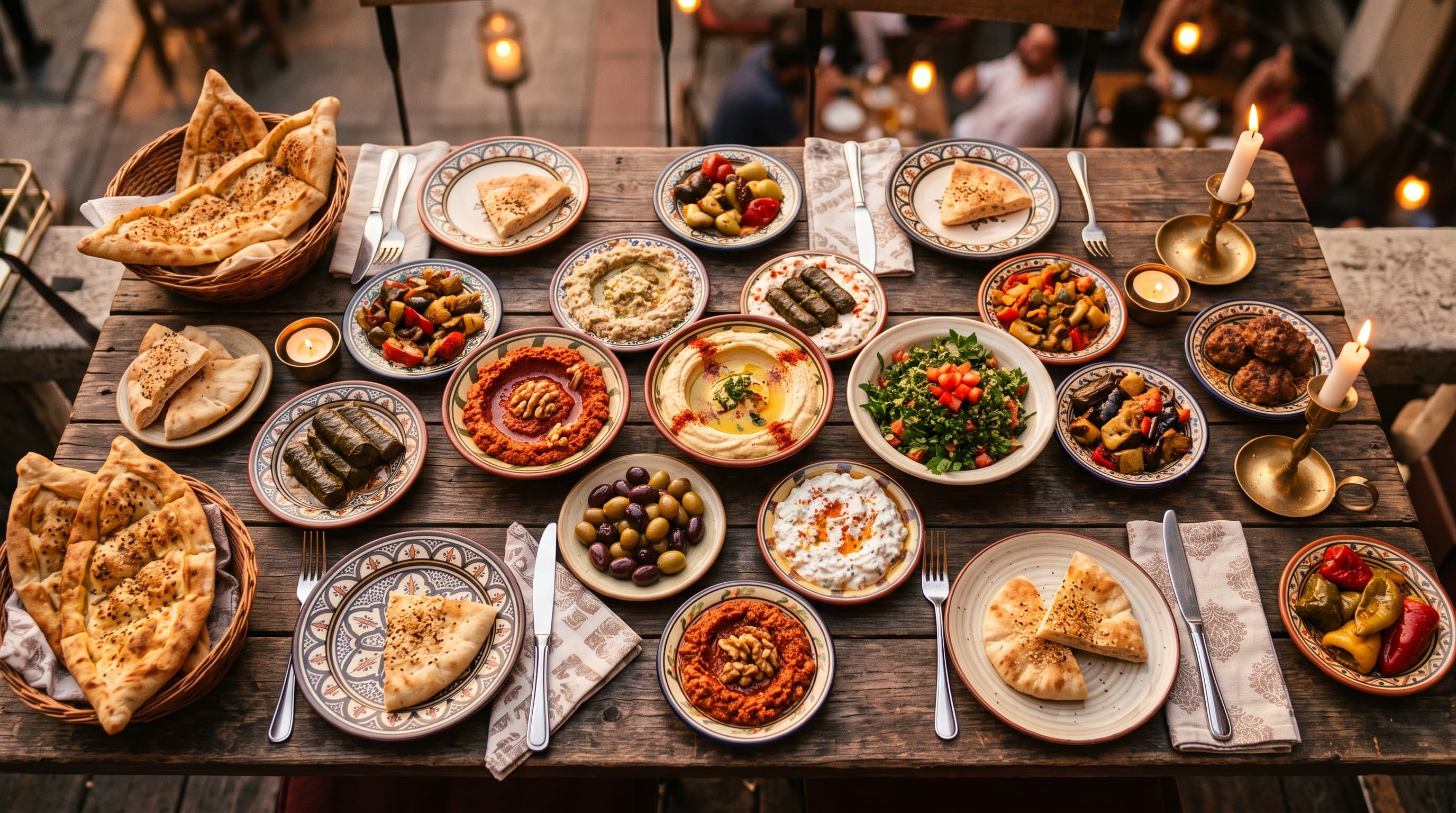
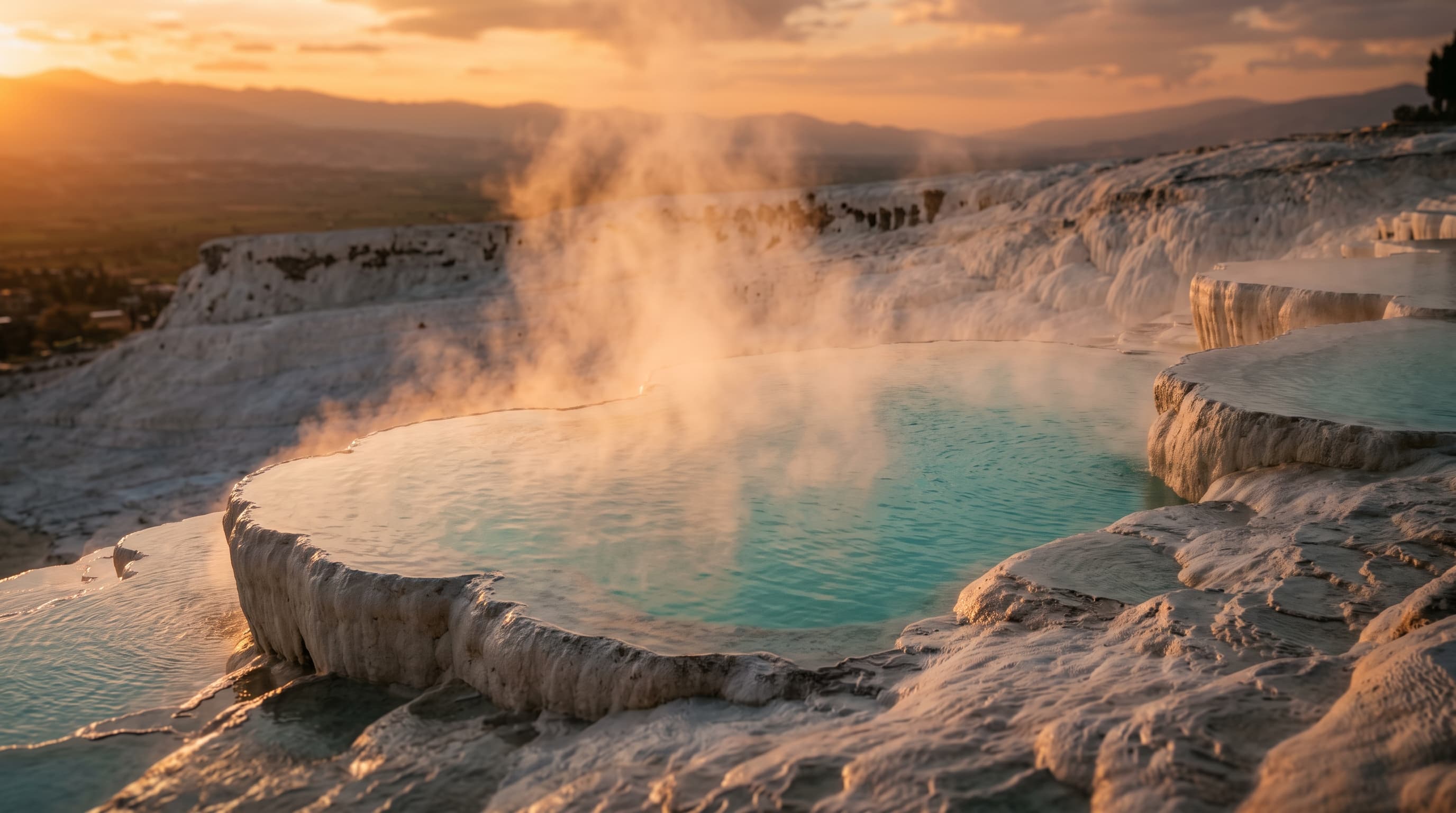
Roman stone archways, Cleopatra's Gate, and spicy Tarsus hummus shops mark Tarsus. Paul wells, and grand historic mosques. Its crowning international symbols include Kleopatra Kapısı (Cleopatra Gate), St. Paul Kuyusu (St. Paul's Well), Nusret Mayın Gemisi memorial park, and the ancient Roman road of Donuktaş. Gastronomy is globally celebrated for Tarsus Humusu (world-renowned hot spiced hummus), Tarsus Fındık Lahmacunu, şalgam suyu, and cezerye.



Local Specialties
Key Landmarks
Where to Eat
Living Snapshot
Key points of interest
Investment outlook
Tarsus holds an outstanding Transparent Investment Score of 96.5/100, recognized as a premier biblical and archaeological tourism destination, agricultural mega-basin (Çukurova agro-export), and high-yield real estate market. Anchored by Tarsus University and expanding industrial zones, residential buy prices average $1,900/m² with rapid annual capital appreciation (~51.0% YoY in USD).
Living here
Residing in Tarsus represents a safe, culturally rich, highly walkable, and historic lifestyle where four millennia of biblical and Roman heritage meet modern municipal development. Neighborhoods feature brand-new residential apartment compounds rising alongside historic stone quarters, wide green parks, and modern shopping centers. Residents benefit from comprehensive healthcare at Tarsus State Hospital, clean air, rich historical surroundings, and exceptionally safe community streets.
History & cultural identity
Birthplace of Saint Paul and historic meeting site of Cleopatra and Mark Antony, Tarsus stands as a monumental ancient city. Known anciently as Tarsos and serving as a supreme capital of Cilicia, the city is globally famous as the birthplace of St. Paul (Tarsuslu Pavlus), the historic meeting place of Queen Cleopatra and Mark Antony at the monumental Kleopatra Kapısı (Cleopatra Gate), and the final resting place of the Prophet Daniel. Tarsus represents one of the world's absolute greatest open-air archaeological and biblical history hubs.
Frequently asked questions
What is the historical significance of the Cleopatra Gate in Tarsus?+
Cleopatra Gate is a monumental ancient stone archway where Queen Cleopatra famously sailed up the Cydnus River to meet Roman general Mark Antony in 41 BC.
What is St. Paul's Well (St. Paul Kuyusu) in Tarsus?+
St. Paul's Well is an ancient subterranean water well located in the historic quarter of Tarsus, marking the birthplace and home of the Apostle Paul.
What is Tarsus famous for in culinary traditions?+
Tarsus is globally famous for its unique hot spiced hummus (Tarsus Humusu), bite-sized Fındık Lahmacun, and refreshing turnip juice (şalgam).
Nearby Districts
Other districts in Mersin
Want the full picture of Mersin?
Read our Mersin guide →Represent Tarsus? This Page Awaits Its Official Partner
District governorships, municipalities, and leading local businesses: be the first official partner featured on Tarsus’s page — reaching travelers, investors, and future residents exploring this district every day.
Become a Founding Partner →