Mardin
Honey-colored stone terraces overlooking the vast golden plains of Mesopotamia make Mardin an unforgettable architectural stop.
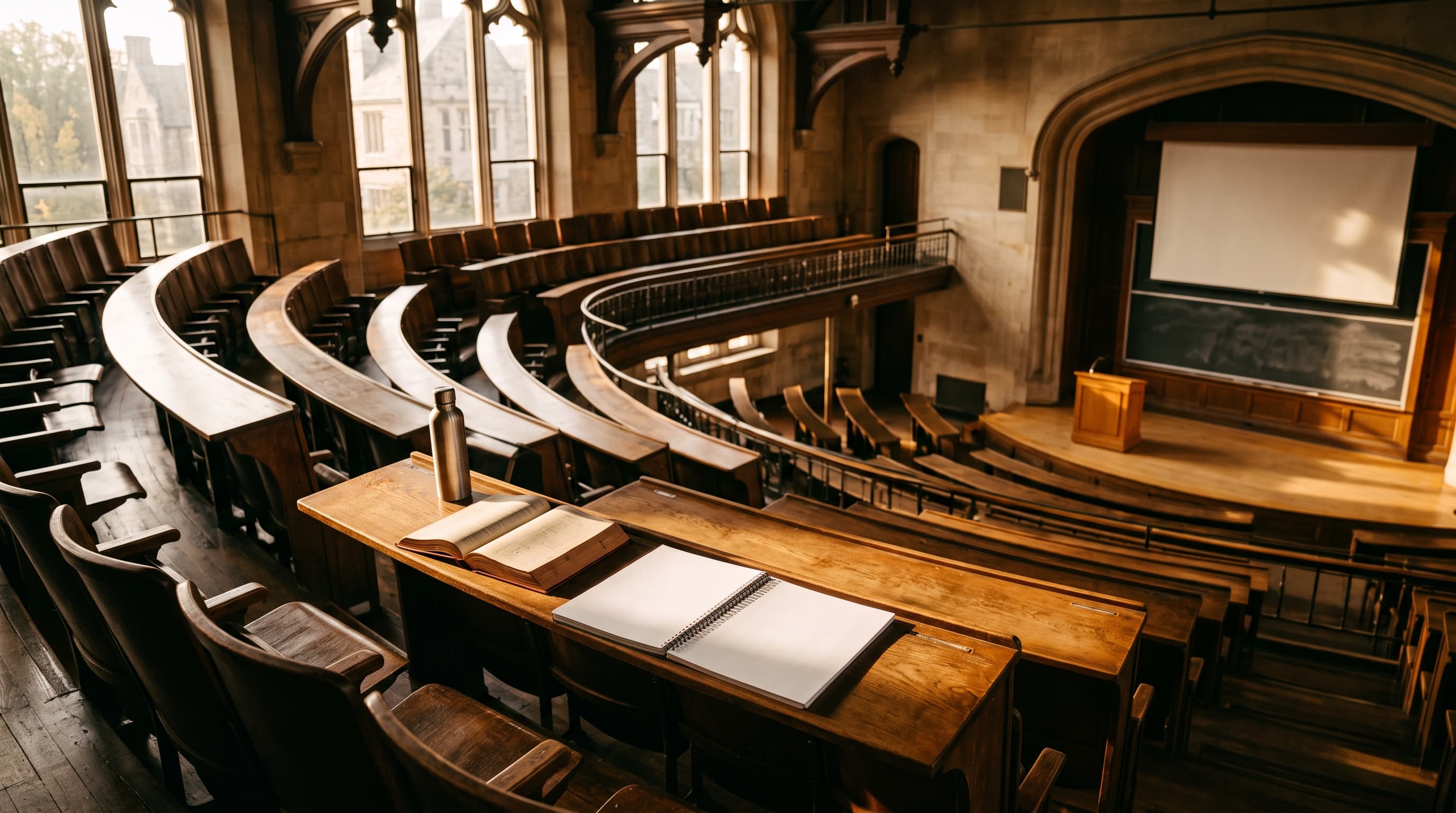
- study educationGaze across the golden Mesopotamian plains from honey-colored stone balconies
Lose yourself in labyrinthine terraced alleyways, sipping traditional spiced Assyrian wine beneath thousand-year-old monastery domes.
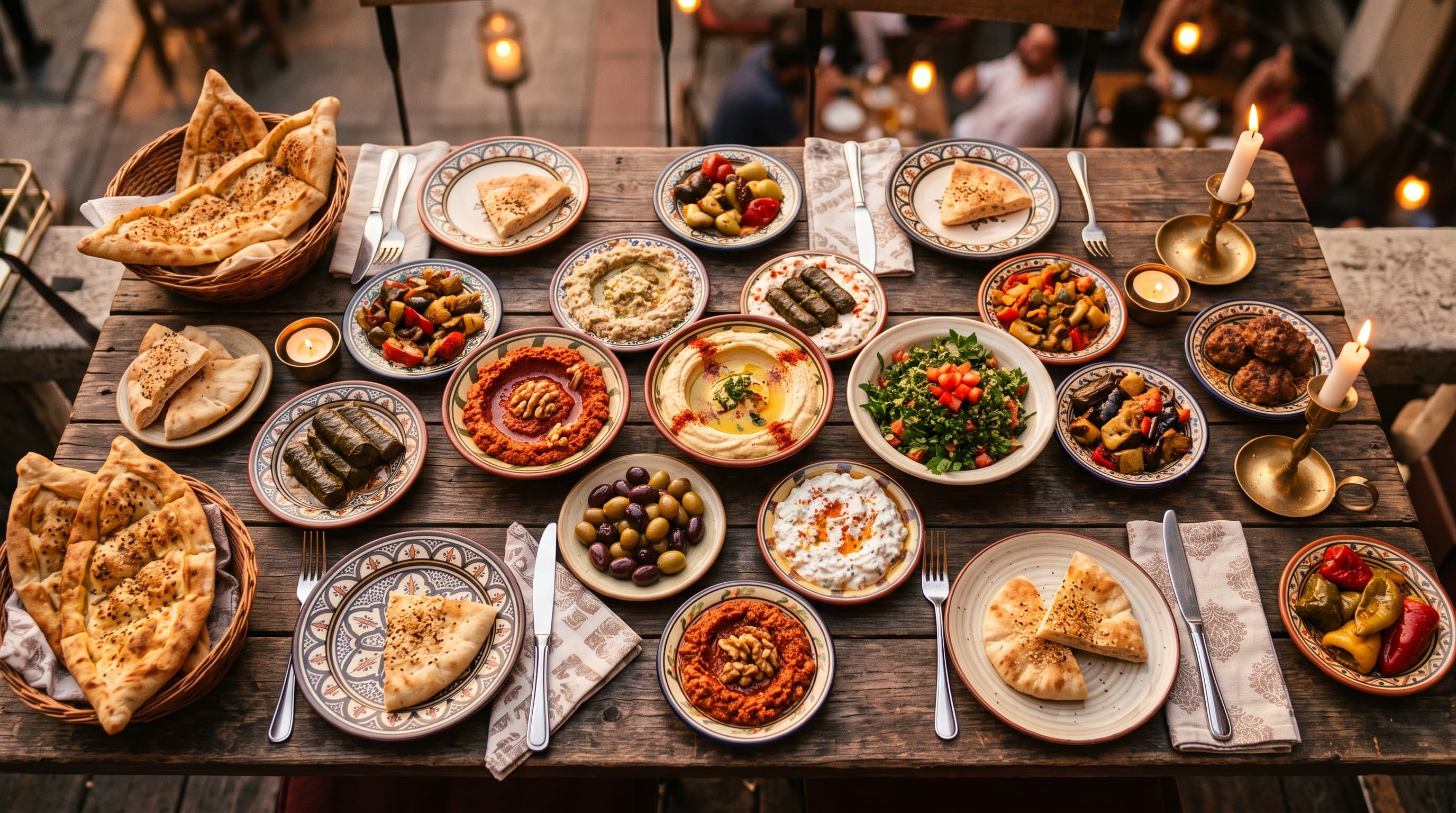
- gastronomySavor savory Sembusek meat pastries and stuffed lamb intestines (Kibe)
Indulge in spiced Mesopotamian culinary traditions served inside stone mansion courtyards with bitter Dibek coffee. Also worth trying: Kaburga Dolması, İçli Köfte (Irok & İkbebet), Süryani Wine, Dibek Coffee with Cardamom, and Derik Olives.
- adventure natureExplore ancient Roman frontier fortress ruins and rock tombs at Dara
Walk into massive subterranean water cisterns and rock-cut necropolises carved into limestone hills.
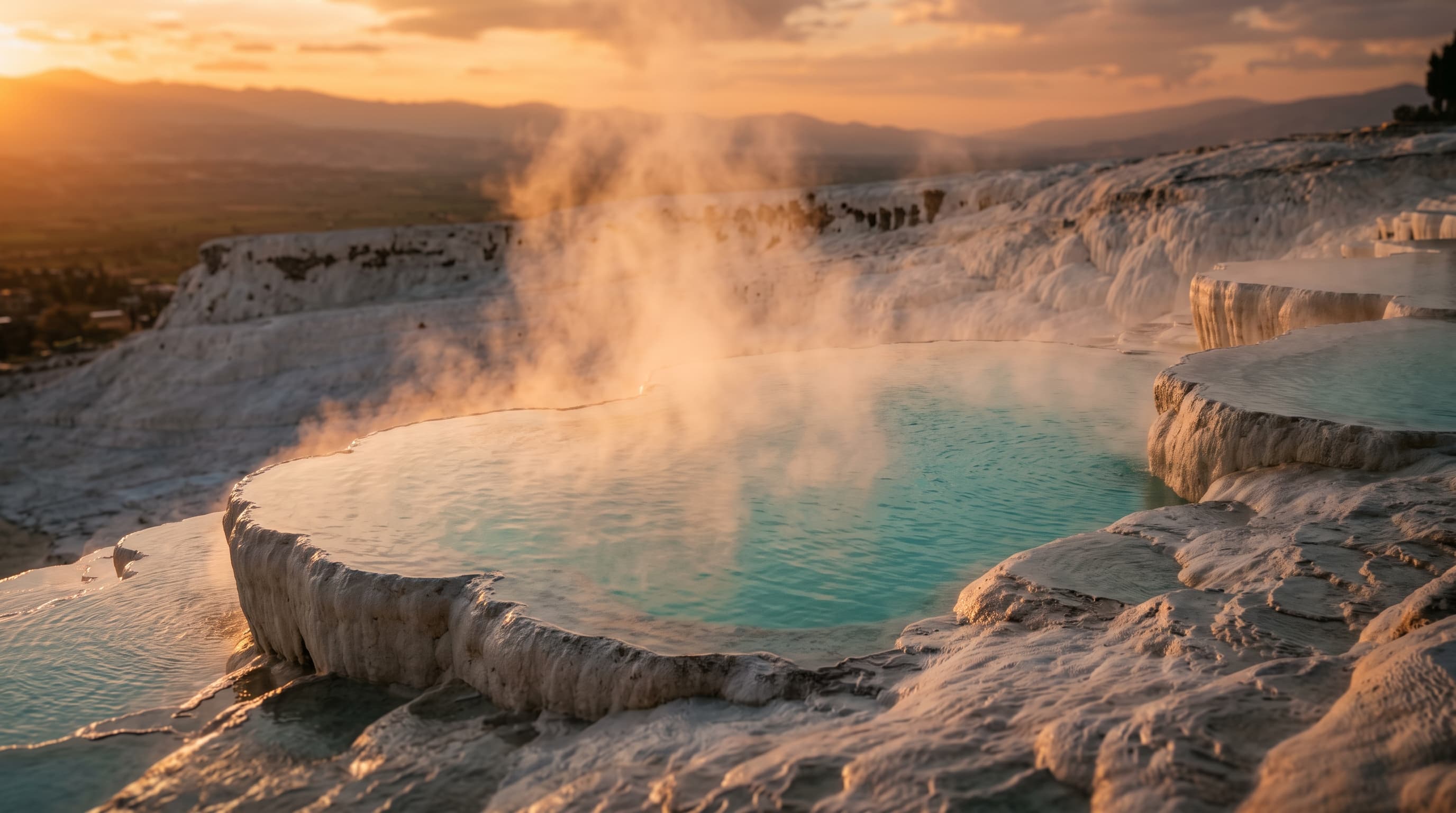
- wellness thermalSoak in thermal hot mineral waters at Germ-i Ab thermal springs
Relax in historic mineral waters set along the Mesopotamian basin edge.
- classic beach cityListen to Syriac chanting inside the 5th-century Deyrulzafaran Monastery
Visit the saffron-colored stone monastery that served as the Patriarchal seat of the Syriac Orthodox Church for 800 years.
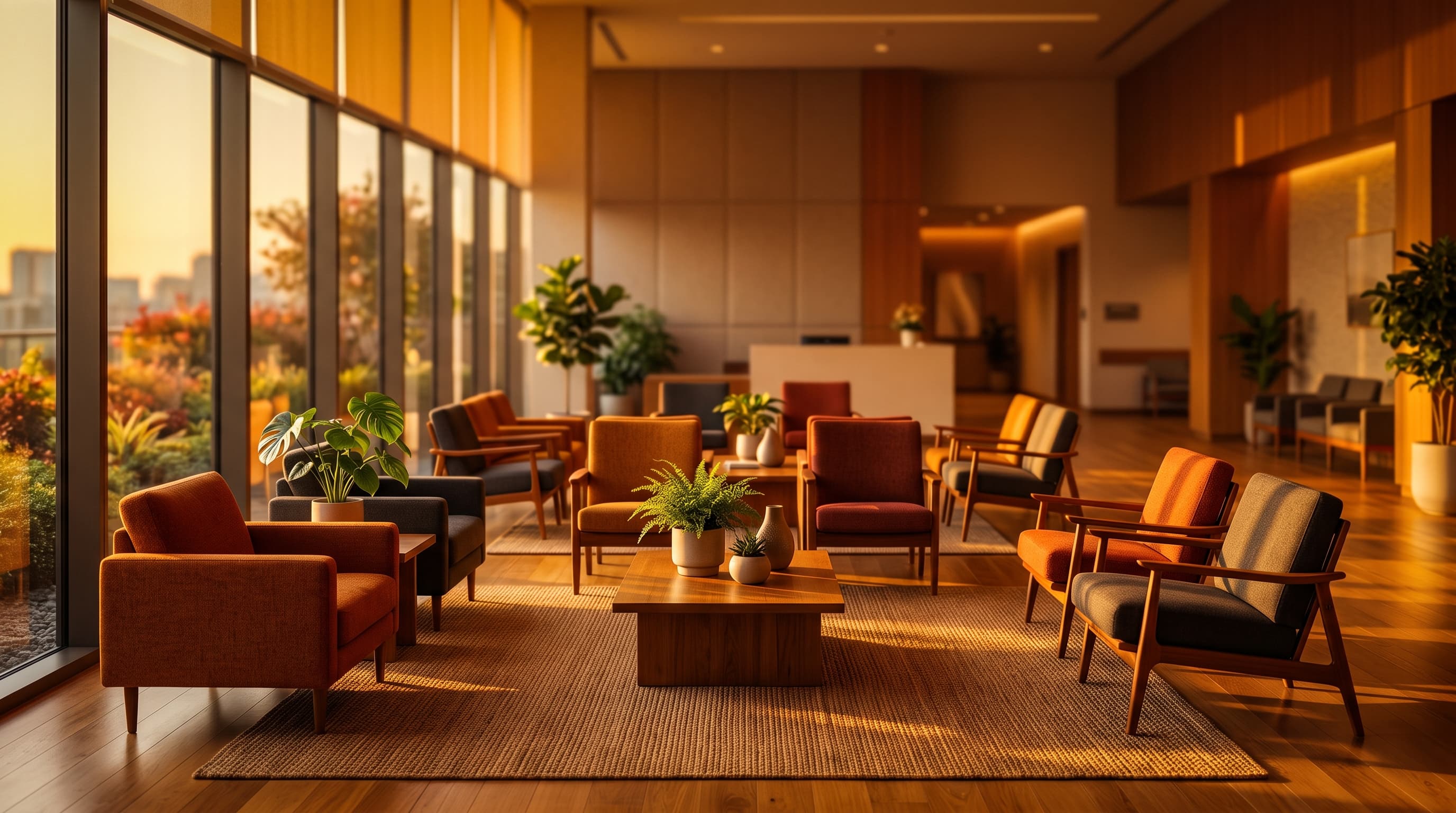
- health medicalAccess specialized physical rehabilitation and preventative healthcare at Mardin Artuklu University Hospital
Combine health check-ups and recovery with inspiring, low-stress historic stone city living.
Districts
Tourist experience
Honey-colored stone terraces overlooking the vast golden plains of Mesopotamia make Mardin an unforgettable architectural stop. Its crowning cultural symbol is Old Mardin (Eski Mardin)—a terraced hillside city of golden limestone mansions cascading above the endless Mesopotamian plain, where no building obstructs the light of another. Visitors can explore the 4th-century Deyrulzafaran Monastery (Deyrulzafaran Manastırı) with its Syriac liturgy and ancient sun-temple foundations, marvel at the soaring stone arches of the 14th-century Zinciriye and Kasımiye Madrasas, or walk through the 6th-century Roman garrison ruins of Dara Ancient City (Dara Antik Kenti) featuring massive subterranean water cisterns carved into solid rock. In Midyat, travelers wander through historic stone alleys to purchase authentic hand-crafted Telkari filigree silver jewelry. Gastronomy is globally celebrated for Kaburga Dolması (stuffed lamb ribs), İcli Köfte (Irok), Süryani Wine, Sembusek, and aromatic Dibek coffee with cardamom.
Experiences
Local Specialties
Key Landmarks
Where to Eat
Living Snapshot
Key points of interest
Investment outlook
Mardin commands an outstanding Transparent Investment Score of 92.2/100, recognized as Southeastern Türkiye's premier UNESCO-candidate boutique stone hotel, cross-border logistics, renewable solar energy, and agro-export market. Driven by immense national and international tourist demand for Syriac heritage tours, boutique hotel conversions of historic yellow limestone mansions yield exceptional yields. Positioned along the primary Silk Road transit corridor leading to Iraq and Syria via the Habur border axis, and anchored by Mardin Artuklu University, residential and commercial buy prices average $1,280/m² (exceeding $2,800/m² for restored historic stone mansion properties in Artuklu and Midyat) with rapid annual capital appreciation (~47.2% YoY in USD).
Living here
Residing in Mardin represents a safe, culturally rich, spiritually uplifting, and visually magical lifestyle. Neighborhoods in Artuklu and Midyat offer a choice between the timeless charm of historic terraced stone mansions and brand-new wide-avenue apartment compounds in the lower city (Yeni Şehir). Residents benefit from comprehensive healthcare at Mardin Training and Research Hospital, clean high-altitude air, rich multilingual culinary traditions, and safe community streets.
History & cultural identity
Perched on a high limestone ridge overlooking the open plains of Upper Mesopotamia, Mardin was fortified by successive Roman, Byzantine, and Artukid dynasties. Known anciently as Marida under the Neo-Assyrian Empire and later fortified as a strategic Roman frontier stronghold, the city developed into an unmatched multi-ethnic, multi-faith sanctuary under Hurrian, Hittite, Roman, Byzantine, Artukid Turkic, Ayyubid, Safavid, and Ottoman rule. As the proud capital of the Artukid Principality (Artuklular) in the 12th century, Mardin gave birth to a distinct golden-yellow limestone architectural style characterized by terraced stone mansions, intricate relief carvings, and majestic madrasas. For over 1,600 years, the region has served as the spiritual heartland of Syriac Christianity (Süryanilik)—housing active 4th-century monasteries like Deyrulzafaran and Mor Gabriel—where Syriac, Arabic, Kurdish, and Turkish cultures, languages, and faiths seamlessly co-exist in harmonious tolerance.
Frequently asked questions
What makes the architecture of Old Mardin globally unique?+
Old Mardin is built entirely of golden-yellow limestone terraced along a steep ridge, engineered so no stone house casts a shadow on its neighbor.
How do travelers reach Mardin?+
Mardin is served by Mardin Prof. Dr. Aziz Sancar Airport (MQM - daily flights to Istanbul, Ankara, and Izmir) and major international highway corridors.
Why is Mardin an attractive market for boutique hotel real estate investment?+
Mardin draws millions of international cultural travelers, making historic yellow stone mansion restorations highly lucrative for boutique hospitality.
Represent Mardin? This Page Awaits Its Official Partner
Governorships, metropolitan municipalities, and leading regional institutions: be the first official partner featured on Mardin’s page — reaching travelers, investors, and future residents exploring this province every day.
Become a Founding Partner →