Safranbolu
Cobblestone lanes, restored timber mansions, and saffron Turkish delight workshops define Safranbolu.
Tourist experience
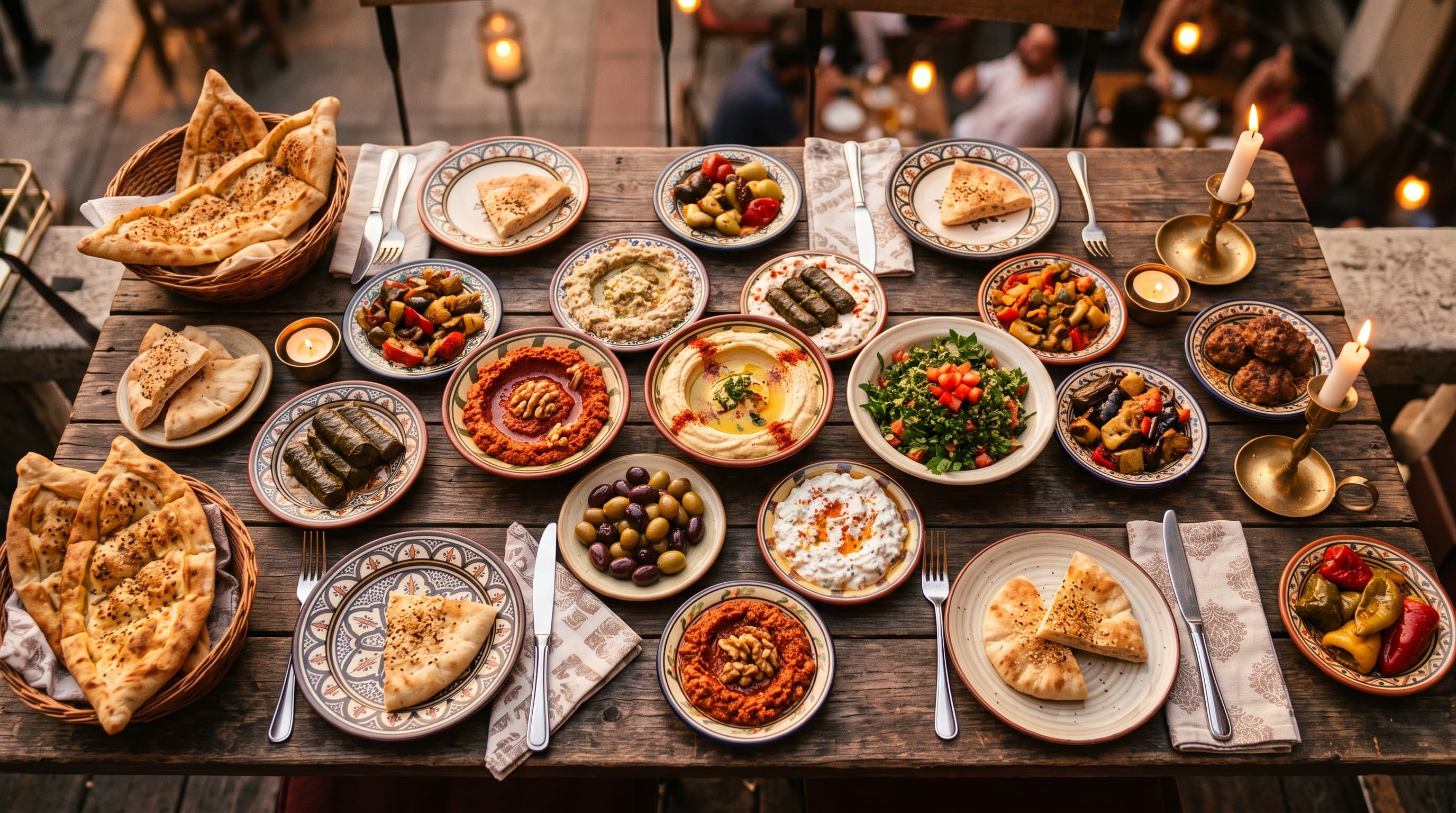
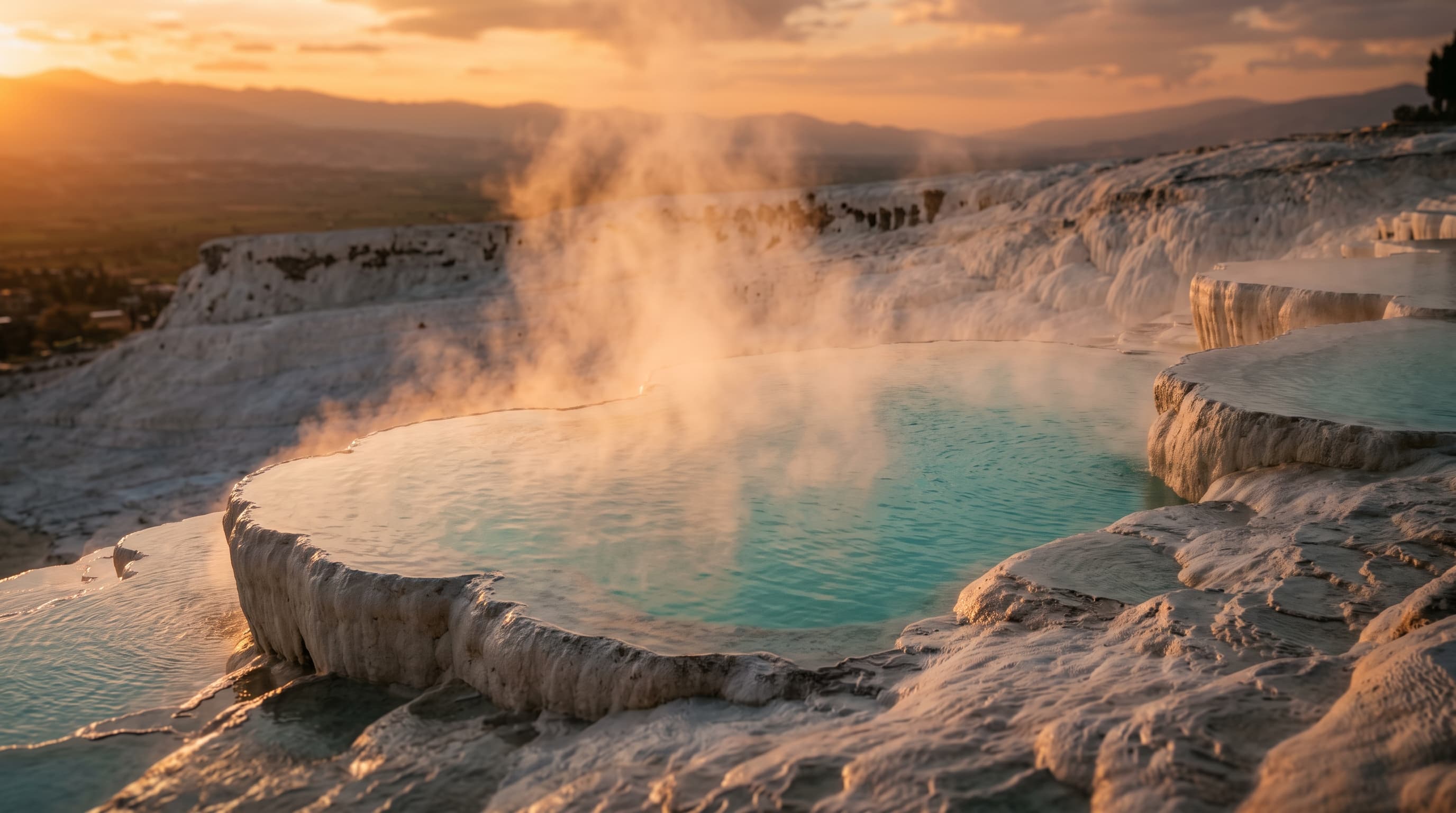
Cobblestone lanes, restored timber mansions, and saffron Turkish delight workshops define Safranbolu. Its crowning international symbols include the UNESCO World Heritage Old Town—featuring over 1,000 architectural masterpiece mansions with overhanging wooden bays (cumba), brown tiled roofs, and white lime walls—alongside the historic 17th-century İzzet Paşa Mosque, Cinci Han Caravanserai, and the Arasta Bazaar where master coppersmiths hammer traditional wares. Visitors can enjoy panoramic sunset views from Hıdırlık Hill, explore the subterranean crystal caves (Tokatlı Kanyonu ve Kristal Teras), or taste authentic saffron spice. Gastronomy is globally celebrated for Safranbolu Lokumu (saffron Turkish delight), Peruhi, Safranbolu Bükmesi, and traditional meat dishes.

Local Specialties
Key Landmarks
Where to Eat
Living Snapshot
Key points of interest
Investment outlook
Safranbolu commands an outstanding Transparent Investment Score of 94.5/100, recognized as a world-class UNESCO cultural tourism, boutique heritage hotel restoration, and luxury real estate investment market. Driven by massive international tourist traffic, heritage mansion and boutique hotel properties command premium values averaging $1,600/m² (exceeding $3,500/m² for restored commercial konaks) with rapid annual capital appreciation (~48.5% YoY in USD).
Living here
Residing in Safranbolu represents the absolute pinnacle of living inside a living world heritage monument combined with modern upscale comfort. Neighborhoods feature restored Ottoman timber konaklar alongside modern master-planned residential compounds, wide green parks, and artisan bazaars. Residents benefit from comprehensive healthcare at Safranbolu State Hospital, clean mountain air, rich cultural arts, and exceptionally safe community streets.
History & cultural identity
Preserved through centuries of trade, Safranbolu stands as a UNESCO-listed world-heritage town of 18th-century Ottoman architecture. Known historically as Zalifre and later named Safranbolu due to the precious saffron spice cultivated and traded here, the city flourished from the 13th to 20th centuries as an indispensable caravan stop on the historic Silk Road. Under Ottoman rule, wealthy merchants erected magnificent multi-story timber-and-stone mansions (Safranbolu Evleri), stone caravanserais, and arched bridges that survive today as the ultimate living open-air museum of Ottoman urban design.
Frequently asked questions
Why is Safranbolu inscribed on the UNESCO World Heritage list?+
Safranbolu is inscribed on the UNESCO list for its exceptional preservation of 17th-to-19th-century Ottoman urban architecture, traditional timber konaks, and social life.
What is the history of Safranbolu's name and spice trade?+
Safranbolu gets its name from saffron (zafran), a precious spice cultivated here that was traded across the Ottoman Empire and Europe along the Silk Road.
What are the primary visitor attractions in Safranbolu?+
Key attractions include the historic Old Town timber mansions, Cinci Han, Arasta Bazaar, Hıdırlık Hill, and Tokatlı Canyon Crystal Terrace.
Nearby Districts
Other districts in Karabük
Represent Safranbolu? This Page Awaits Its Official Partner
District governorships, municipalities, and leading local businesses: be the first official partner featured on Safranbolu’s page — reaching travelers, investors, and future residents exploring this district every day.
Become a Founding Partner →