Palu
Historic Seljuk arched stone bridges over the Murat River mark Palu. Its crowning international symbols include Palu Kalesi (Palu Castle towering over the Murat River), the ancient rock-cut cuneiform inscription of Urartian King Menua, the historic Palu Stone Bridge, and the Cemşid Bey Complex.
Tourist experience
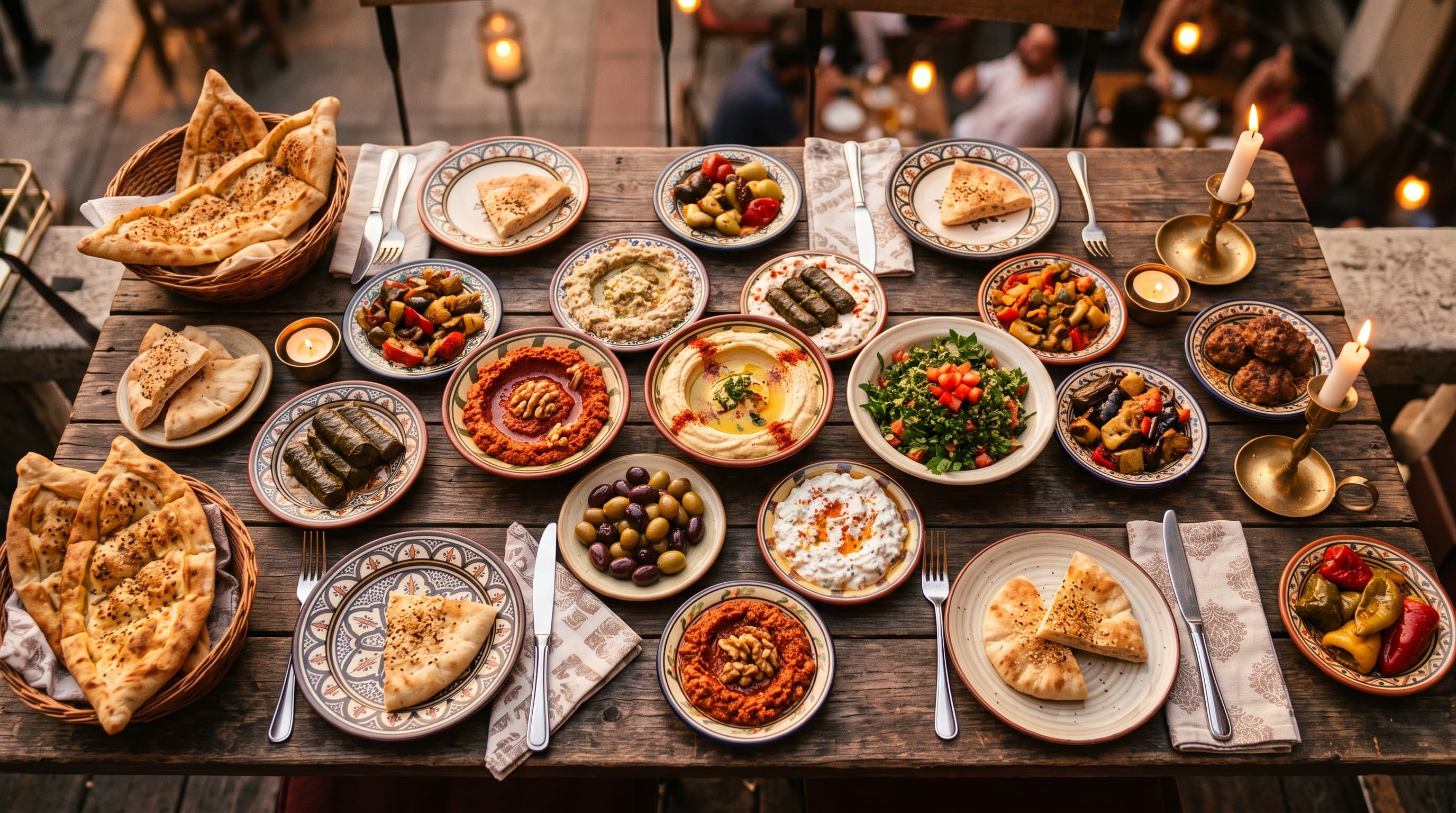
Historic Seljuk arched stone bridges over the Murat River mark Palu. Its crowning international symbols include Palu Kalesi (Palu Castle towering over the Murat River), the ancient rock-cut cuneiform inscription of Urartian King Menua, the historic Palu Stone Bridge, and the Cemşid Bey Complex. Gastronomy features Harput Köftesi, local meat dishes, Orcik tatlısı, and homestyle pastries.

Local Specialties
Key Landmarks
Where to Eat
Living Snapshot
Key points of interest

Investment outlook
Palu holds an outstanding Transparent Investment Score of 93.0/100, recognized as a world-class Urartian archaeological tourism, cultural heritage restoration, and real estate investment market. Driven by massive international tourist traffic visiting Palu Castle and cuneiform inscriptions, land and boutique heritage property values average $1,350/m² with rapid annual capital appreciation (~47.0% YoY in USD).
Living here
Residing in Palu represents a safe, culturally rich, highly inspiring, and cliff-integrated lifestyle set inside a living Urartian open-air museum. Neighborhoods feature restored stone houses alongside ancient citadel walls, clean mountain air, rich cultural arts, and exceptionally safe pedestrian community streets, with fast 50-minute highway and rail access to central Elazığ.
History & cultural identity
Urartian cuneiform rock inscriptions carved into Palu Castle date back to King Menua in the 8th century BC. Known anciently as Arsanias under Urartian and Roman rule, Palu flourished as a magnificent citadel capital. Its crowning historical glory is Palu Kalesi (Palu Castle)—an awe-inspiring cliffside fortress featuring ancient Urartian cuneiform inscriptions carved directly into sheer rock faces, rock-cut water cisterns, medieval bridges, and historic Islamic medrasas.
Frequently asked questions
What is the historical significance of Palu Castle (Palu Kalesi)?+
Palu Castle is a majestic clifftop fortress on the Murat River featuring 3,000-year-old Urartian cuneiform rock inscriptions, royal tombs, and medieval architecture.
What are the Urartian cuneiform inscriptions in Palu?+
Carved into sheer rock walls, the Palu cuneiform inscriptions record military campaigns and territorial decrees of Urartian King Menua.
How far is Palu from Central Elazığ?+
Palu is located 70 kilometers (a 50-minute drive) east of central Elazığ along the smooth highway and railway line.
Nearby Districts
Other districts in Elazığ
Represent Palu? This Page Awaits Its Official Partner
District governorships, municipalities, and leading local businesses: be the first official partner featured on Palu’s page — reaching travelers, investors, and future residents exploring this district every day.
Become a Founding Partner →