İznik
Roman city walls, Hagia Sophia Mosque, and hand-painted ceramic tile ateliers define İznik.
Tourist experience
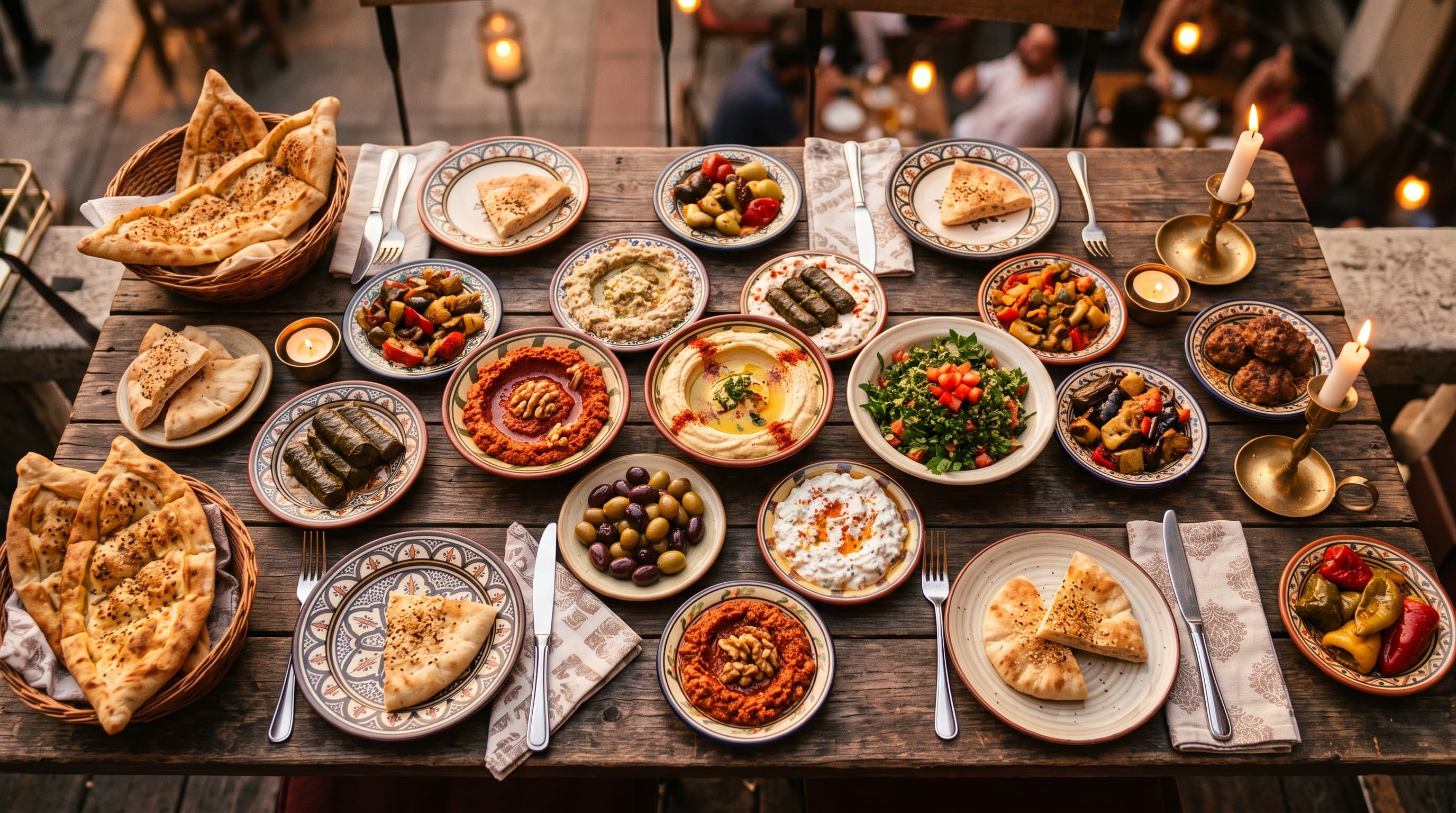
Roman city walls, Hagia Sophia Mosque, and hand-painted ceramic tile ateliers define İznik. Its crowning international symbols include the ancient İznik City Walls (İznik Surları), the historic Ayasofya Orhan Camii (Hagia Sophia of Nicaea where the Seventh Ecumenical Council met), the sunken 4th-century Byzantine basilica discovered beneath Lake İznik waters, and artisan tile workshops. Gastronomy is globally celebrated for İznik Lake fish (Geyiş fish), local olive oil, Thracian pastries, and regional delicacies.



Local Specialties
Key Landmarks
Where to Eat
Living Snapshot
Key points of interest
Investment outlook
İznik holds an outstanding Transparent Investment Score of 94.0/100, recognized as a world-class UNESCO-candidate archaeological tourism, master tile craft export, and luxury lakeview real estate market. Driven by massive international tourist traffic and lakeside villa demand, land and boutique hotel property values average $1,400/m² with rapid annual capital appreciation (~48.0% YoY in USD).
Living here
Residing in İznik represents a quiet, safe, culturally rich, and inspiring lakeside lifestyle set inside an open-air imperial museum. Neighborhoods feature traditional stone-and-timber houses alongside modern lakeside residential compounds, clean air, and safe community streets, with fast highway access to central Bursa and Istanbul.
History & cultural identity
In 325 AD, the First Council of Nicaea convened in İznik, establishing foundational Christian theological creeds. Known anciently as Nicaea—founded in 316 BC by Antigonus I Monophthalmus and later refounded as Lysimachia—the city attained immortal historical glory as the site of two monumental Ecumenical Councils (the First and Second Councils of Nicaea in 325 and 787 AD) that shaped Christian theology. Following its conquest by the Seljuks and later the Ottomans, İznik evolved into the world-famous cradle of master-crafted Iznik ceramic tiles (İznik Çinileri), whose turquoise and cobalt blue masterpieces adorn the greatest mosques and palaces of the Ottoman world.
Frequently asked questions
What is the historical and theological significance of Nicaea (İznik)?+
İznik (ancient Nicaea) hosted two monumental Ecumenical Councils (325 and 787 AD) that established core Christian creeds, and served as a Byzantine and Ottoman capital.
What are Iznik tiles (İznik Çinileri) and why are they world-famous?+
Iznik tiles are world-famous ceramic masterpieces featuring brilliant turquoise, cobalt blue, and coral red floral motifs that decorated grand Ottoman mosques and palaces.
What is the sunken basilica in Lake İznik?+
A 4th-century Byzantine basilica was discovered completely intact underwater just 20 meters off the shore of Lake İznik, now a protected underwater archaeological site.
Nearby Districts
Other districts in Bursa
Want the full picture of Bursa?
Read our Bursa guide →Represent İznik? This Page Awaits Its Official Partner
District governorships, municipalities, and leading local businesses: be the first official partner featured on İznik’s page — reaching travelers, investors, and future residents exploring this district every day.
Become a Founding Partner →