Bolu
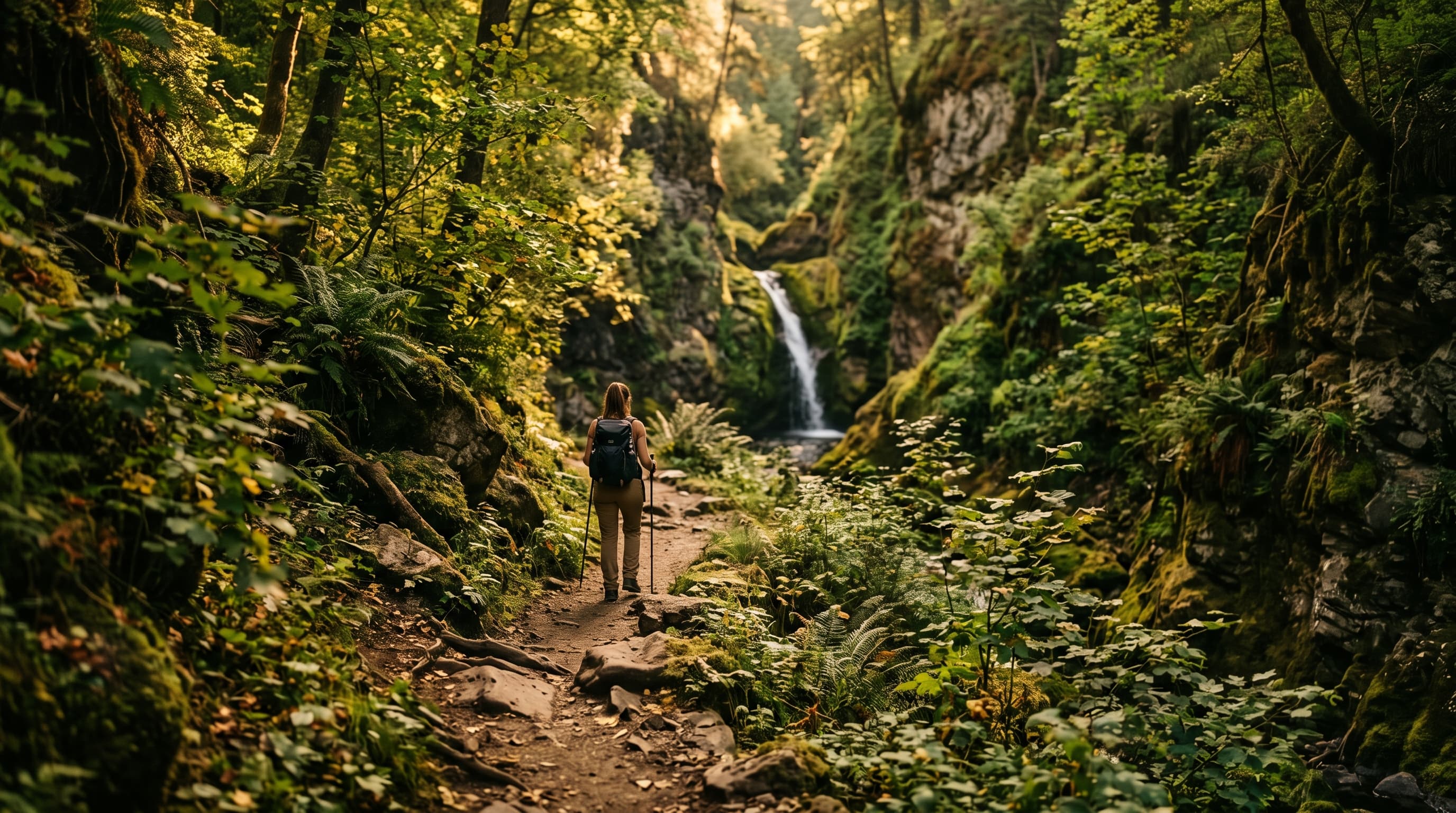
Seven glassy reflection lakes hidden inside a colorful canopy of oak and beech trees define the quiet beauty of Bolu.
- adventure natureStroll around seven glass-like reflection lakes hidden in Yedigöller forest
Immerse yourself in a painter's palette of crimson, yellow, and deep green oak leaves wrapping pristine alpine waters.
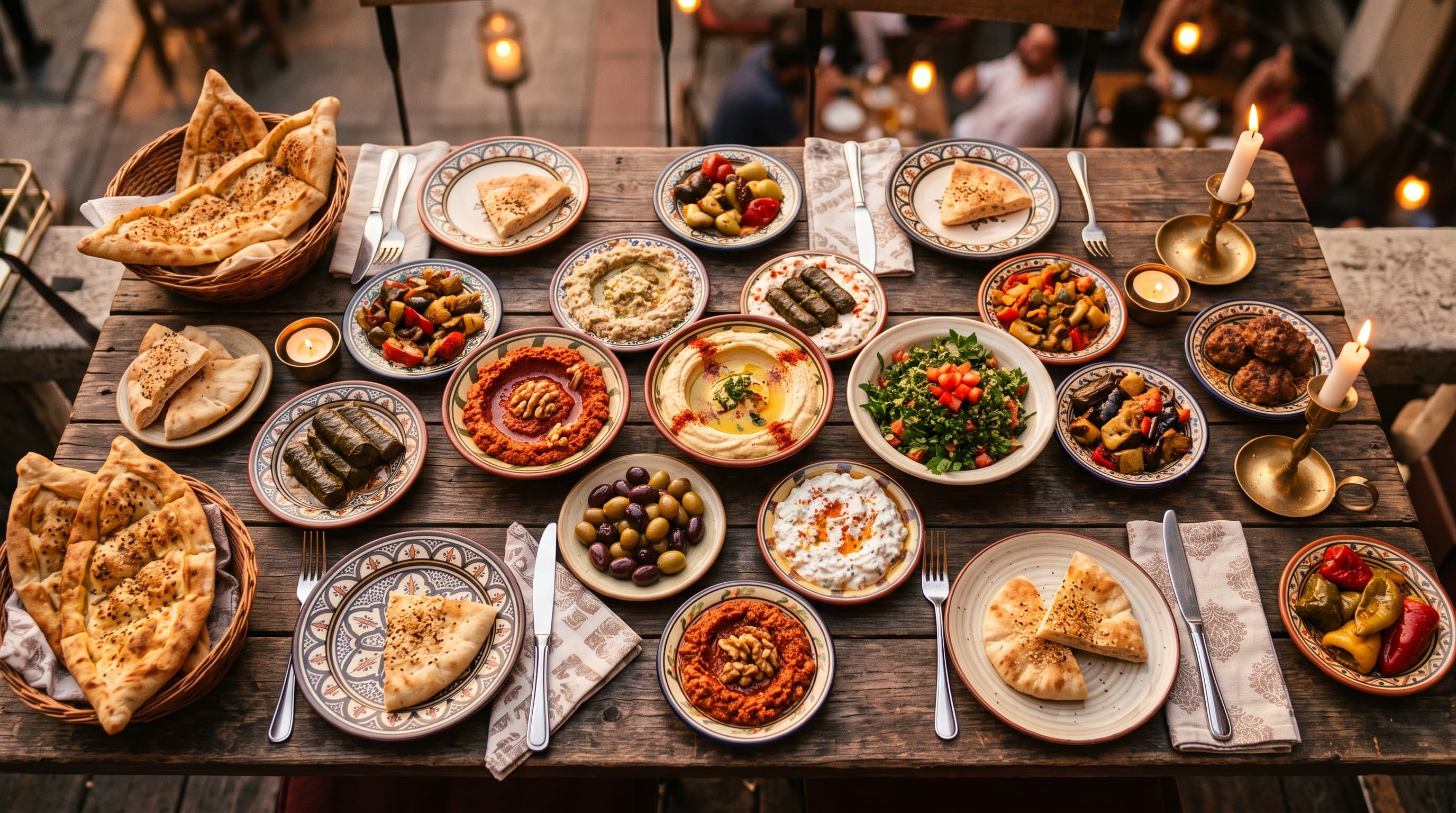
- gastronomyTaste famous Mengene wood-fired roast meats and Bolu hazelnut butter
Savor dishes prepared by royal palace chef lineages trained in Bolu's historic Mengen culinary academy. Also worth trying: Mengen Culinary Master Dishes, Bolu Beyi Kebabı, Abant Simiti, Pine Honey, and Bolu Çikolatası.
- classic beach citySki down snow-covered pine slopes at Köroğlu Mountain Kartalkaya resort
Carve deep winter powder snow on high alpine peaks offering luxury mountain lodges and fireplaces.
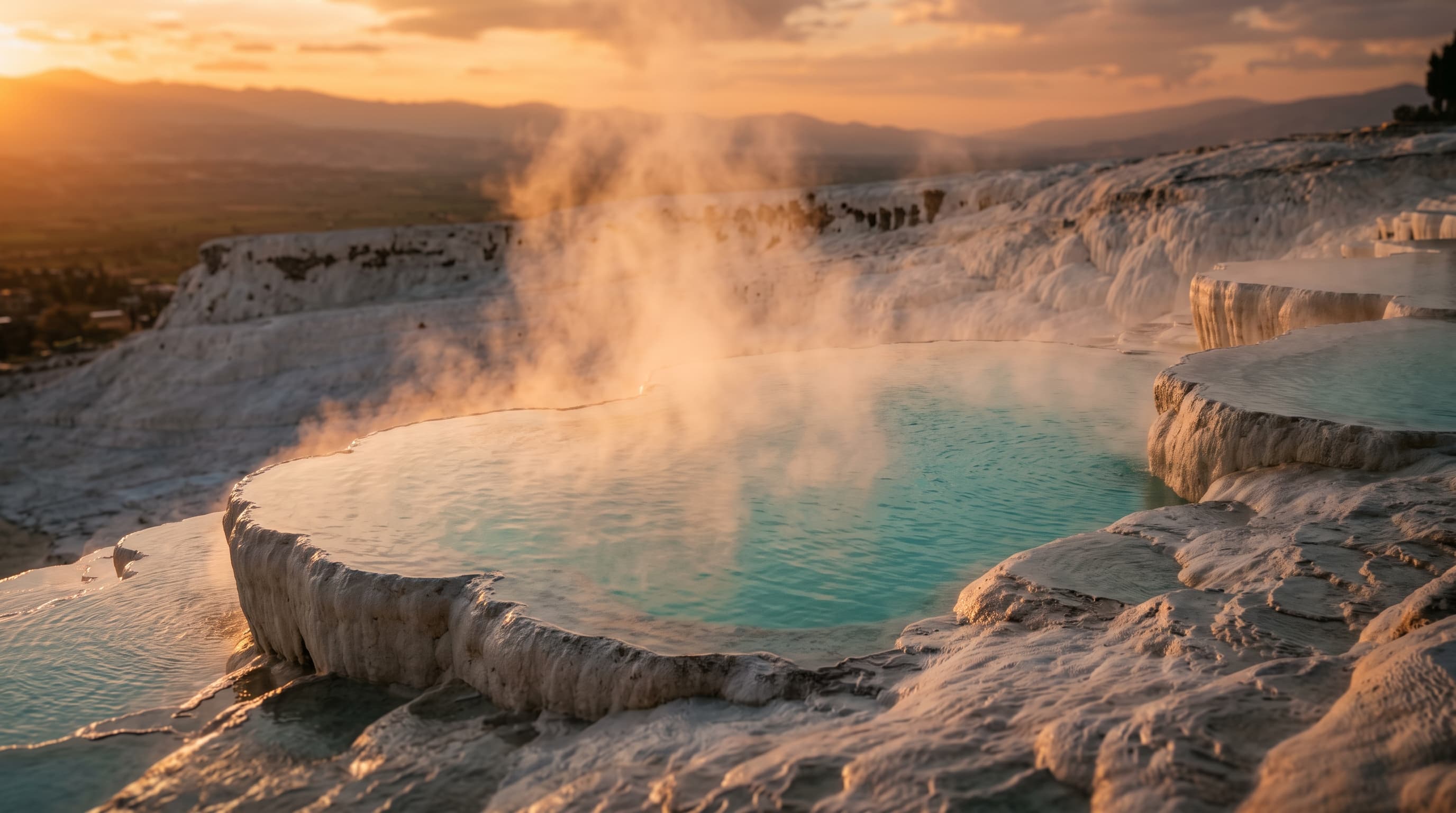
- wellness thermalSoak in therapeutic hot mineral waters at Karacasu thermal resort
Bath in 44°C geothermal waters utilized for healing since Byzantine and Ottoman imperial eras.
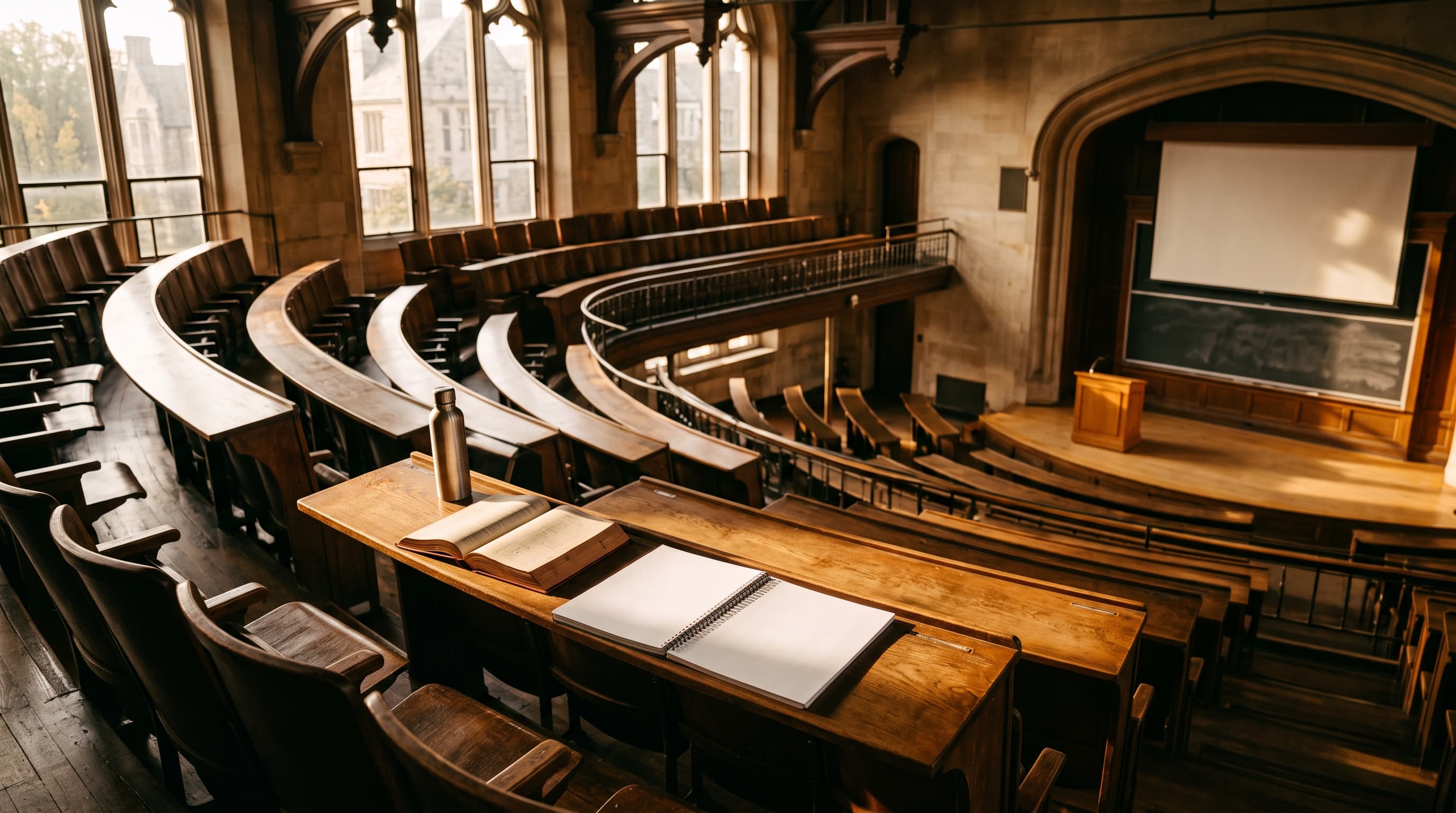
- study educationStudy forestry and botanical sciences at Abant İzzet Baysal University campus
Discover alpine plant biodiversity research surrounded by high mountain lake ecosystems.
- health medicalReceive specialized physical medicine and hydrotherapy at Bolu Physical Therapy Hospital
Undergo expert orthopedic rehabilitation in Türkiye's premier state hydrotherapy facility.
Districts
Tourist experience
Seven glassy reflection lakes hidden inside a colorful canopy of oak and beech trees define the quiet beauty of Bolu. Its crowning international symbols include Gölcük Tabiat Parkı (alpine lake pine chalet), Abant Gölü (Abant Lake - a stunning tectonic lake surrounded by pine and fir forests), and Yedigöller Millî Parkı (Seven Lakes National Park)—a breathtaking ecosystem of seven interconnected lakes renowned for kaleidoscopic autumn foliage. History and architecture enthusiasts flock to Göynük and Mudurnu (official Cittaslow towns) to admire preserved 19th-century Ottoman Ahilik wooden mansions. Gastronomy is globally celebrated for Mengen (recognized as Türkiye's culinary capital and cradle of master chefs), Bolu Beyi Kebabı, Abant Simiti, local pine honey, and Bolu Çikolatası.
Experiences
Local Specialties
Key Landmarks
Where to Eat
Living Snapshot
Key points of interest
Investment outlook
Bolu commands an outstanding Transparent Investment Score of 93.2/100, recognized as a premier alpine eco-tourism, culinary hospitality, winter ski resort (Kartalkaya), and luxury chalet real estate market. Anchored by Bolu Abant İzzet Baysal University—hosting over 30,000 students—and its strategic position directly on the E-80 international highway corridor between Ankara and Istanbul, the province yields robust commercial growth. Residential buy prices average $1,300/m² (exceeding $3,000/m² in luxury lake-view chalet and high-rise compounds in Bolu Merkez and Abant) with rapid annual capital appreciation (~47.5% YoY in USD).
Living here
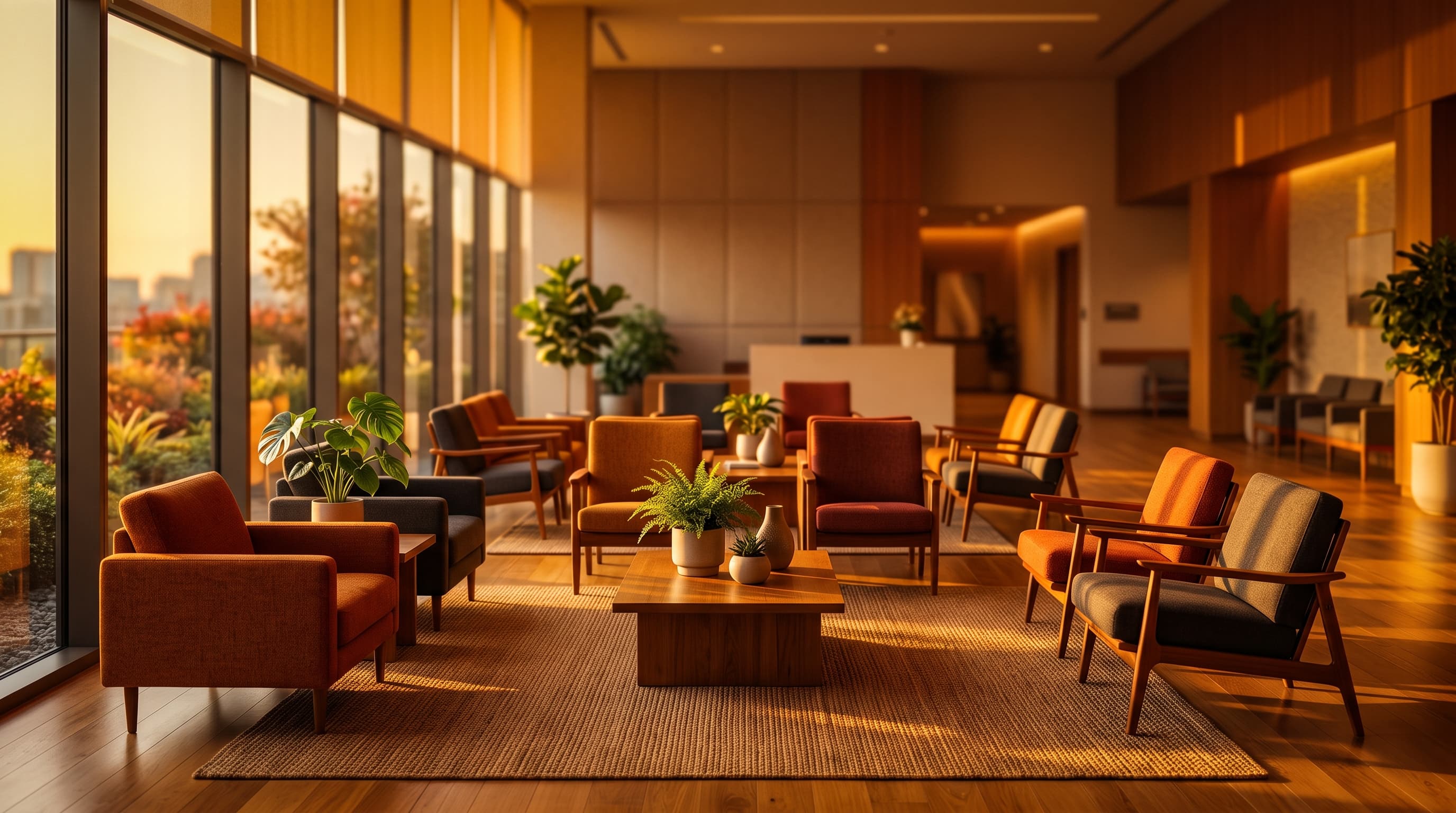
Residing in Bolu represents the absolute pinnacle of safe, healthy, highly walkable, and nature-integrated alpine living in Türkiye. Neighborhoods feature brand-new residential apartment compounds alongside wide green parks, pristine mountain air, zero heavy industrial pollution, and safe community streets. Residents benefit from comprehensive healthcare at Bolu İzzet Baysal Training and Research Hospital, clean mountain spring water, rich cultural arts, and exceptionally safe community streets.
History & cultural identity
Known as Claudiopolis during Roman rule, historical Bolu commanded vital mountain passes before evolving into an Ottoman culinary tradition center in Mengen. Known anciently as Bithynium and later Claudiopolis under Roman rule, the city flourished as a vital transit pass on the historic routes connecting Anatolia to the Black Sea coast. Under Ottoman administration, Bolu developed into a premier agricultural, forestry, and culinary sanctuary, celebrated across the empire for producing master chefs who served in the Ottoman Imperial Palace kitchens. Today, Bolu stands as Türkiye's undisputed ecological and culinary capital, globally famous for pristine alpine lakes like Abant and Yedigöller, and Mengen—the legendary cradle of Turkish culinary master chefs.
Frequently asked questions
What is Mengen in Bolu famous for globally?+
Mengen is globally famous as Türkiye's culinary capital and the legendary cradle of master chefs who historically served in the Ottoman Imperial kitchens.
What are the primary natural highlights in Bolu?+
Key highlights include Abant Lake, Yedigöller Seven Lakes National Park, Gölcük Nature Park, and Kartalkaya Ski Center.
How is transport connectivity in Bolu?+
Bolu is strategically positioned directly on the E-80 international highway corridor between Istanbul and Ankara, offering 2-hour access to both metropolitan hubs.
Represent Bolu? This Page Awaits Its Official Partner
Governorships, metropolitan municipalities, and leading regional institutions: be the first official partner featured on Bolu’s page — reaching travelers, investors, and future residents exploring this province every day.
Become a Founding Partner →