Ahlat
Thousands of monumental carved Seljuk tombstones standing near Lake Van shores mark Ahlat. Its crowning international symbols include Ahlat Seljuk Cemetery, the iconic Emir Bayındır Kümbeti (historic cylindrical mausoleum), and the medieval Ahlat Sahil Kalesi (Lakeside Castle).
Tourist experience
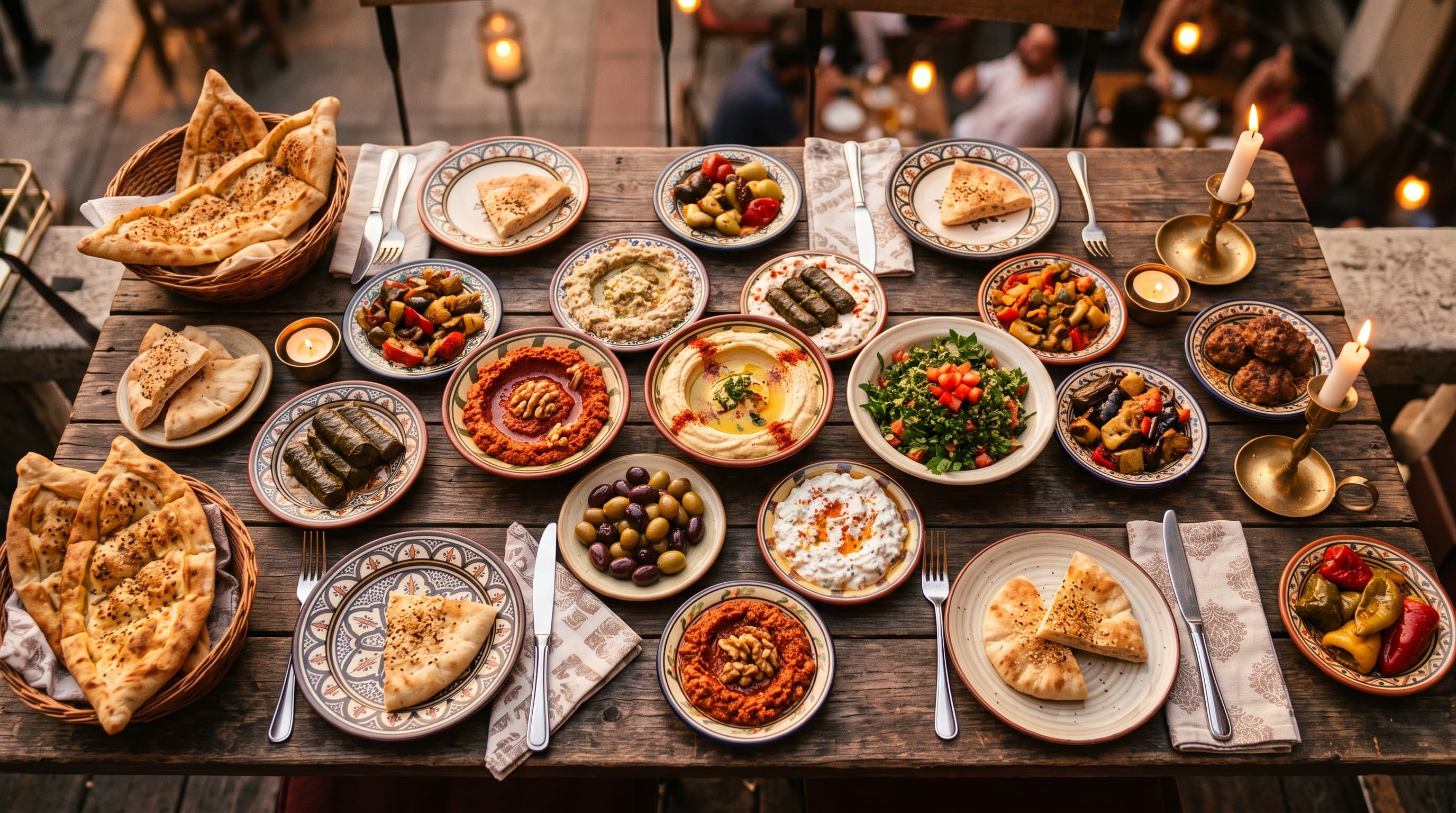
Thousands of monumental carved Seljuk tombstones standing near Lake Van shores mark Ahlat. Its crowning international symbols include Ahlat Seljuk Cemetery, the iconic Emir Bayındır Kümbeti (historic cylindrical mausoleum), and the medieval Ahlat Sahil Kalesi (Lakeside Castle). Visitors can explore underground historic cave dwellings or sample local lake fish. Gastronomy features Van Gölü İncisi, local meat stews, highland honey, and regional pastries.

Local Specialties
Key Landmarks
Where to Eat
Living Snapshot
Key points of interest
Investment outlook
Ahlat holds an outstanding Transparent Investment Score of 94.0/100, recognized as a world-class UNESCO-candidate archaeological tourism, cultural hospitality, and boutique hotel investment market. Driven by massive international tourist traffic visiting the Seljuk monuments and Lake Van shores, boutique hotel and heritage properties average $1,450/m² with rapid annual capital appreciation (~48.0% YoY in USD).
Living here
Residing in Ahlat represents a safe, culturally rich, highly inspiring, and lake-integrated lifestyle set inside a living medieval open-air museum. Neighborhoods feature restored stone houses alongside ancient Seljuk monuments, clean high-oxygen mountain-lake air, rich cultural arts, and exceptionally safe pedestrian community streets, with fast highway access to Tatvan and central Bitlis.
History & cultural identity
In the 12th century, Ahlat flourished as a premier Seljuk cultural capital, renowned for stone carving masters. Known historically as the 'Kubbet'ül İslam' (Dome of Islam) due to its medieval preeminence as a supreme center of Islamic scholarship, architecture, and mysticism, Ahlat is world-famous for housing the UNESCO-candidate Ahlat Selçuklu Meydan Mezarlığı (Ahlat Seljuk Cemetery)—containing thousands of towering 3-meter-tall engraved basalt tombstones adorned with exquisite geometric and floral carvings—alongside historic underground tomb chambers (kümbetler).
Frequently asked questions
What is the historical significance of Ahlat (Kubbet'ül İslam)?+
Ahlat was a supreme medieval center of Islamic civilization, scholarship, and art, known as the 'Dome of Islam' and housing priceless Seljuk monuments.
What are the Ahlat Seljuk Tombstones (Mezar Taşları)?+
They are monumental 3-meter-tall engraved basalt steles carved with intricate geometric patterns, Quranic verses, and heraldic motifs dating back to the 12th century.
How far is Ahlat from Central Bitlis and Tatvan?+
Ahlat is located 65 kilometers (a 45-minute drive) northeast of central Bitlis and 40 kilometers northeast of Tatvan along the scenic Lake Van highway.
Nearby Districts
Other districts in Bitlis
Represent Ahlat? This Page Awaits Its Official Partner
District governorships, municipalities, and leading local businesses: be the first official partner featured on Ahlat’s page — reaching travelers, investors, and future residents exploring this district every day.
Become a Founding Partner →