Beyoğlu
Beyoğlu, historically named Pera, represents the quintessential crossroads of Western modernization, diplomacy, and artistic expression in Türkiye. Stretching from the historic waterfront of Karaköy across the iconic Galata Tower up to Taksim Square and Istiklal Avenue, the district blends 19th-century European architecture with a vibrant contemporary cultural and culinary scene.
Tourist experience
Beyoğlu is an open-air museum of modern Turkish history. Istiklal Avenue is a 1.4-kilometer pedestrian boulevard traversed by the historic Taksim-Tünel Nostalgic Tram. Galataport Istanbul is a $1.7 billion waterfront project featuring the world's first underground cruise terminal and the Istanbul Museum of Modern Art, designed by Renzo Piano. The Atatürk Cultural Center, reopened in 2021 at Taksim Square, houses a 2,040-seat opera hall. Pera Palace Hotel's Room 411 is preserved as the room where Agatha Christie wrote Murder on the Orient Express, while Room 101 is a museum dedicated to Atatürk. Recommended routes include the Classic Pera Diplomatic Walk from Taksim Square down Istiklal Avenue to the 1875 Tünel funicular, and the Galata & Waterfront Arts Trail via the historic Camondo Stairs to Galataport.
Key points of interest
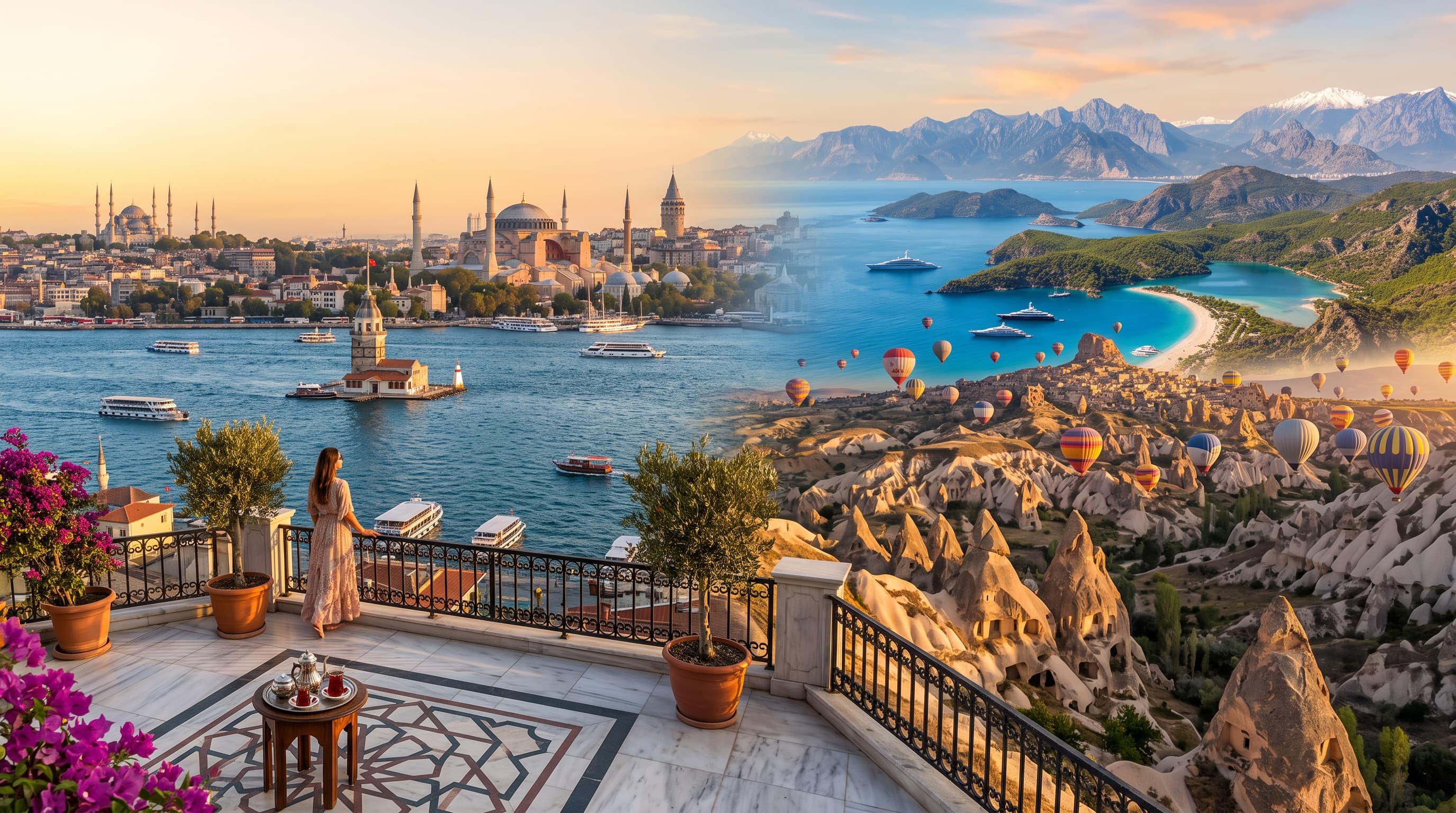
Investment outlook
Beyoğlu commands a transparent investment score of 91.2/100. Ranked in Tier 1 (SEGE Category 1) by the Ministry of Industry and Technology, the district hosts over 28,900 registered active businesses led by cruise maritime trade, luxury hospitality, arts, and retail. Average residential acquisition price is approximately $2,400 per m², with prime historic buildings in Galata, Cihangir, and Karaköy ranging $3,800-$6,500/m². Average monthly rental yield is approximately $13.5 per m², with an estimated ROI of 14.8 years, accelerated by licensed short-term tourist accommodation. Average building stock age is 42 years; seismic risk is classified Moderate Risk, though historic masonry structures require structural audits and heritage board approval prior to restoration.
Living here
Cihangir is Istanbul's premier bohemian and expat enclave, characterized by 19th-century French-style apartments and a concentration of artists, writers, and foreign diplomats. Galata & Şişhane are popular among architects and designers who favor restored loft conversions. Karaköy is a historic maritime district transformed into a hip neighborhood blending industrial-chic cafes and modern waterfront living at Galataport. Gümüşsuyu and the Cihangir ridge offer affluent residential avenues with direct Bosphorus views. Living costs are high, offset by a transit accessibility score of 9.6/10 and a walkability score of 9.2/10.
History & cultural identity
Beyoğlu, historically named Pera (derived from the Greek word meaning "the side beyond," referencing its geographic position opposite the Byzantine capital on the Golden Horn), represents the quintessential crossroads of Western modernization, diplomacy, and artistic expression in Türkiye. During the Byzantine Empire, the northern bank of the Golden Horn was characterized by countryside settlements and small maritime docks known as Sykai. The historical trajectory shifted in the 13th century when the Genoese Republic established a semi-autonomous trading colony in Galata, constructing the Galata Tower in 1348 at 67 meters. Following the Conquest of Constantinople in 1453, Galata retained its cosmopolitan character. During the 16th and 17th centuries, European powers erected permanent embassies along the ridge overlooking the Bosphorus, and this arterial ridge became known as the Grande Rue de Péra (today's Istiklal Avenue). The name Beyoğlu itself originated from Bey Oğlu (Son of the Lord), referencing Luigi Gritti, son of Venetian Doge Andrea Gritti. By the 19th century, Beyoğlu became the Sixth Municipal District in 1857 (modeled after Paris) and on January 17, 1875 inaugurated Tünel, the world's second-oldest underground urban funicular railway. The district became lined with grand neoclassical and Art Nouveau arcades, and the Pera Palace Hotel opened in 1892.
Frequently asked questions
What is the historical significance of Beyoğlu in Istanbul?+
Beyoğlu (historically Pera) served as the Genoese maritime trade hub in the Middle Ages and later evolved into the Ottoman Empire's diplomatic, Westernized, and cultural gateway in the 19th century. It hosted the empire's first modern municipal council, European embassies, luxury hotels, and the world's second-oldest underground funicular railway (Tünel, 1875). (Source: Beyoğlu Municipality Official Archives)
Which public transport lines connect Beyoğlu to the rest of Istanbul?+
Beyoğlu is served by the M2 Yenikapı-Hacıosman Metro Line (Taksim and Şişhane stations), the F1 Taksim-Kabataş Funicular, the F2 Historic Tünel Funicular, the T1 Kabataş-Bağcılar Tramway (at Karaköy), and Karaköy Ferry Pier for cross-continental travel to Kadıköy and Üsküdar. (Source: İstanbul Valiliği Transport Directory)
Is Beyoğlu suitable for real estate investment and short-term tourist rentals?+
Yes. Beyoğlu features a high Investment Score of 91.2/100. Demand is anchored by over 18 Michelin-selected restaurants, Galataport cruise traffic, and year-round tourist arrivals. Restored historic properties in Galata, Cihangir, and Karaköy yield strong rental incomes and steady capital appreciation. (Source: TCMB & Endeksa Market Analytics)
Is Beyoğlu safe for international tourists at night?+
Istiklal Avenue, Taksim Square, Galataport, and Karaköy are heavily patrolled by tourist police and remain vibrant late into the night. Visitors should exercise standard urban vigilance when walking through quiet, dimly lit side streets late at night. (Source: İstanbul Valiliği Security Briefings)
What are the primary expat neighborhoods within Beyoğlu?+
Cihangir, Galata, Şişhane, and Gümüşsuyu are the leading expat neighborhoods in Beyoğlu. They offer high walkability, historic high-ceiling apartments, vibrant coffee shops, art galleries, and widespread English fluency.
Other districts in Istanbul
- Adalar
- Arnavutköy
- Ataşehir
- Avcılar
- Bağcılar
- Bahçelievler
- Bakırköy
- Başakşehir
- Bayrampaşa
- Beşiktaş
- Beykoz
- Beylikdüzü
- Büyükçekmece
- Çatalca
- Çekmeköy
- Esenler
- Esenyurt
- Eyüpsultan
- Fatih
- Gaziosmanpaşa
- Güngören
- Kadıköy
- Kağıthane
- Kartal
- Küçükçekmece
- Maltepe
- Pendik
- Sancaktepe
- Sarıyer
- Şile
- Silivri
- Şişli
- Sultanbeyli
- Sultangazi
- Tuzla
- Ümraniye
- Üsküdar
- Zeytinburnu